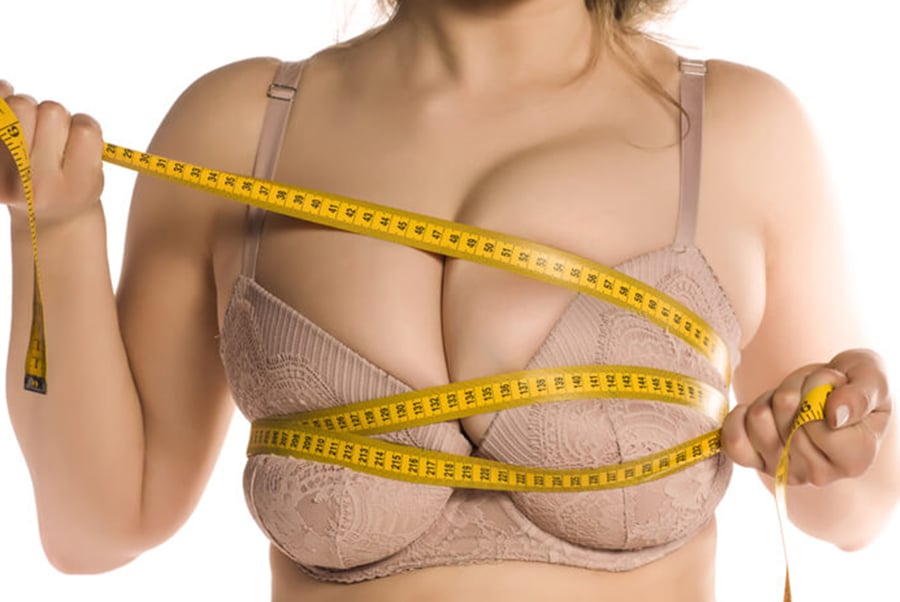
Breast Reduction in Turkey
Breast reduction removes excess breast tissue, fat and skin to make the breasts smaller, lighter and lifted, often to ease back, neck and shoulder pain. &NewMe lists plastic surgeons in Istanbul for it, with packages from €3,000 where a surgeon has shared a price. Most people spend one night in hospital and about a week in Istanbul.
Named plastic surgeons in licensed hospitals. Compare prices, get a written quote.
from €3,000 package price
4.8 · 1,082 surgeon reviews on GoogleMoH licence AK-0945
Excellent4.7 · 41 reviews on Trustpilot
Reply within 24h · no card · no obligation · Chat on WhatsApp
- RecoveryUsually 2-3 weeks off work
What is breast reduction?
Breast reduction removes breast tissue, fat and skin to make the breasts smaller, lighter and higher - it always lifts the breast too. Many people choose it for back, neck or shoulder pain. Results vary, and your surgeon will tell you what is realistic for you.
Breast reduction surgeons we trust
See all 16 yrs experience
Dr. Reşat Aktaş
Acıbadem Bayındır İçerenköy Hospital
4.5 (54 Google)
from €4,500Verified
 12 yrs experience
Asst. Prof. Dr. Ebru Şen
Acıbadem Taksim Hospital
4.8 (126 Google)
Free quoteVerified
 10 yrs experience
Dr. Sinem Sıngın Sezer
İstanbul Cerrahi Hospital
from €3,000Verified
Surgeon
Dr. Emre Çayci
Doruk Yıldırım Hospital
Free quoteVerified
Find my surgeon
Not sure who to choose? Get matched in 4 questions
First: where are you travelling from?
Why book through &NewMe
-
Verified surgeonsA named surgeon, with licence and hospital checked on HealthTürkiye. How we verify
-
A written, itemised quote before you travelSet by the provider, with what is included. Patients do not pay &NewMe a fee.
-
A real coordinator, before, during and afterIf something goes wrong, we stand by you and help sort it out with the provider. You have the same rights as Turkish patients under the Patient Rights Regulation.
What breast reduction is
Breast reduction (reduction mammaplasty) removes excess breast tissue, fat and skin, reshapes what remains and moves the nipple to a higher position. The result is breasts that are smaller, lighter and lifted. A reduction always lifts the breast as part of the reshaping, so you do not need a separate lift; if you are asking about droop without wanting a smaller size, see breast lift instead.
For many people the reason is physical rather than cosmetic: weight on the shoulders, grooves from bra straps, rashes beneath the breasts, and difficulty running, swimming or even sleeping comfortably. For others it is about proportion and feeling comfortable in clothes. Both are valid reasons to ask for a consultation.
Who it is for
The NHS describes breast reduction as suited to people whose very large breasts cause health problems and who have not found relief from options such as professionally fitted bras. The problems it lists include back, shoulder and neck pain, skin irritation under the breasts, bra-strap grooves, low self-esteem or depression, and being unable to exercise.
A surgeon will usually want your breasts to have finished developing and your weight to be stable. Because pregnancy and large weight changes can alter breast size, say if you plan a pregnancy or a big change in weight. Smoking and a high BMI raise the risk of wound-healing problems, so most surgeons ask you to stop smoking before and after surgery and may set a weight limit.
Surgery may need to wait, or may not be right, if you are pregnant or breastfeeding, have conditions that make anaesthesia or healing risky, or hope for an outcome the operation cannot deliver. A good surgeon will tell you so.
How it is done
Breast reduction is done under general anaesthetic and takes about two to three hours, according to the NHS. The surgeon removes excess tissue and skin, reshapes the breast and repositions the nipple, usually while it stays attached to its blood supply so that it keeps its feeling and function as far as possible. In very large reductions, the nipple may be removed and grafted back; ask whether that is likely in your case, because it affects sensation and breastfeeding.
The pattern of incisions depends on how much is removed. The most common results are a scar around the nipple and a vertical scar down the breast, with or without a horizontal scar along the crease below (an anchor shape). Ask to see healed results from your surgeon's own patients, not only fresh photos.
Ask whether the removed tissue is sent for laboratory examination. Many UK surgeons do this routinely, and it is a reasonable question for any surgeon.
What the trip looks like
The NHS says the hospital stay is usually one or two nights, with drains removed after one to two days. &NewMe packages list the nights each surgeon includes (some include one, some three); check this on the surgeons page and in your quote.
Plan on about a week in Istanbul so the surgeon can check wounds and dressings before you fly. BAAPS advises waiting around five to seven days before flying after breast surgery and confirming timing with your surgeon, because surgery plus long flights raises the risk of blood clots. On the flight home, walk regularly, drink water and ask your surgeon whether to wear compression stockings.
Packages typically include surgery, anaesthesia, the operating theatre, the surgeon's fee and usually a night in hospital. Hotel, transfers, support bras, extra nights and flights are often extra. The cost page explains what moves the price.
Recovery timeline
Typical timings from the NHS are below. Your surgeon's instructions for your case take priority.
- First days: Expect swelling, bruising and tightness. Wear the support bra you are given and take medication as directed.
- Weeks 2 to 3: Many people return to work after two to three weeks, depending on the job. Do not drive until a seatbelt no longer hurts, which can take several weeks.
- Up to six weeks: Avoid strenuous exercise, heavy lifting and stretching. Full recovery takes about two to six weeks.
- Up to three months: Some surgeons advise a sports bra day and night for this long. Swelling can last about three months, and the final shape is not visible until it settles.
- Scars: Red or darker for the first months, usually fading over 12 to 18 months. They do not disappear, and some people heal with thicker scars.
Risks and things to ask about
General surgical risks include bleeding, infection, reaction to anaesthetic and blood clots in the legs or lungs. The NHS lists problems specific to breast reduction: visible scarring, uneven breasts or nipples, wound healing problems, loss of nipple sensation, death of tissue (necrosis), excess skin that needs further removal, and bleeding within the breast (haematoma), which usually shows within 24 hours.
Two issues matter to many patients:
- Breastfeeding. A reduction can affect the milk ducts and nerves. Some people can breastfeed afterwards, some only partly, and some not at all; there is no way to know in advance, and the NHS warns that you may be permanently unable to. If breastfeeding matters to you, discuss it before booking.
- Sensation. Changes in nipple and skin sensation are common in the early months, and some people have lasting changes.
Seek urgent medical help for fever, a hot, red or rapidly swelling breast, heavy bleeding, chest pain or breathlessness.
Why it costs less in Turkey
Breast reduction in the UK is sometimes available on the NHS under local criteria, and otherwise paid privately. The NHS website puts private surgery at around £6,500, plus consultation and follow-up. Packages in Turkey are often lower because staff, facilities and cover cost less and exchange rates help visitors. A lower price is not a safety guarantee in either direction: compare the surgeon, the hospital, nights included and the aftercare plan. Current prices are on the cost page.
If you may qualify for NHS funding, ask your GP what that means before you decide: going private abroad is a different route, and the decision is yours.
Choosing a surgeon
Look for a registered plastic surgeon (specialty and licence checkable on HealthTürkiye, the Ministry of Health portal) who performs breast reduction regularly, operates in a hospital you can name and explains their scar technique, nipple approach and what happens if you need a revision. Ask to see healed before-and-after photos of patients with breasts like yours, and ask how they handle nipple sensation and breastfeeding questions.
&NewMe lists surgeons for breast reduction with the hospital, experience and, where shared, a package price on the breast reduction surgeons page. If you would prefer a woman surgeon, use the female surgeon filter or say so when you request a quote.
Notes for patients travelling from different countries
From the UK. Flights take around four hours. BAAPS cautions that aftercare abroad can be limited once you are home and that most holiday insurance does not cover surgery that goes wrong. Before booking, ask who will review a problem remotely, what the package says about complications, and whether you will get detailed operation notes for your GP. Check your insurance for this specific procedure.
From New Zealand and Australia. Expect roughly a day of travel with a stop. Long flights raise the risk of blood clots after surgery, so allow extra days in Istanbul beyond the minimum, ask what your surgeon advises, and plan your return to work around the recovery timeline above. Agree in advance how you will send wound photos across time zones.
From Germany and elsewhere in Europe. Direct flights from major German cities take around three to four hours. Ask for your operation notes and discharge summary in English so that your own doctor can read them.
From Kenya, Morocco and other African countries. There are direct flights to Istanbul from several cities, but routes and visa rules vary by passport; check entry requirements before booking and allow for your journey time in your plan for the week in Istanbul.
Whatever your country, tell your coordinator where you live so the plan covers your flight, your aftercare and your insurance, not only the operation.
Aftercare when you are home
Your &NewMe coordinator stays with you through recovery, not only before surgery: message them first with photos if something worries you, and remote follow-up with your surgeon is part of the process once you are home. Most providers include complication insurance; check your quote for the plan, its limits and any initial exclusion period.
Keep your operation notes and your surgeon's contact. Follow the dressing and bra instructions, avoid lifting and strenuous exercise for as long as you are told, and protect scars from the sun while they fade. See a local doctor promptly for any warning sign above, and take your notes with you.
Questions to bring to your consultation
A short list makes any consultation more useful. Write down your answers first, and note the surgeon's.
- How much tissue do you expect to remove, and will my nipple stay attached to its blood supply?
- Which scar pattern do you plan, and can I see healed results for breasts like mine?
- What are my chances of keeping nipple sensation and being able to breastfeed?
- Is the removed tissue sent for laboratory examination?
- Which hospital, how many nights are included and who will review my wounds before I fly?
- How would you handle a revision if the result is uneven?
Tell the surgeon about the symptoms that bother you most (pain, rashes, grooves), your weight history, pregnancy plans, medication and smoking. If you have seen your GP about the problem, bring the notes.
Related reading
- Uneven breasts? See breast asymmetry: a reduction can be planned to even out size differences.
- Is this about male chest tissue? See enlarged breasts in men, which explains gynaecomastia and its treatment.
- Happy with your size but not the droop? See can you fix saggy breasts and breast lift.
Next steps
See what breast reduction costs in Turkey, compare surgeons, or get a free quote: you will receive a written quote within 24 hours, confirmed with the surgeon, with no fee from &NewMe.
Sources
- NHS, Breast reduction: https://www.nhs.uk/conditions/breast-reduction/
- BAAPS, Breast reduction: https://baaps.org.uk/patients/procedures/7/breast_reduction
- BAAPS, Cosmetic tourism: https://baaps.org.uk/patients/safety_in_surgery/cosmetic_tourism.aspx
Treatment is performed by independent licensed providers. Results vary, every operation has risks, and only a surgeon who has examined you can say what is right for you.