






Skip to content

Facelift in Turkey

What is Facelift?

Facelift, or rhytidectomy, is a cosmetic surgery that reduces facial and neck aging signs. It involves tightening the facial muscles, removing excess skin, and smoothing out wrinkles to create a more youthful appearance.

Addressing sagging skin and deep creases, it can help rejuvenate the face and restore a firmer, more refreshed look.


Before undergoing this surgery, it's important to talk to a skilled plastic surgeon. Talk to him about your goals, possible risks, and expected results.

Recovery
10-14 Days
facelift-treatment

Is it right for me?

Am I a suitable candidate? →
A few questions about your health and goals - no commitment
Start check →

Why Turkey - is it safe?

Ministry of Health-registered
JCI-accredited hospitals
TÜRSAB-licensed agency

Meet your surgeons

Sinem Sıngın Sezer
Plastic surgeon · İstanbul Cerrahi Hospital
No reviews yet
from €5,400
Get a free quote from Dr. Sezer →
Ayberk Akçay
Plastic surgeon · İstanbul Cerrahi Hospital
4.7146 Google reviews ↗
from €6,000
Get a free quote from Dr. Akçay →
See all facelift surgeons →

Roughly how much does it cost?

From €4,900
Your exact price depends on the surgeon, hospital and technique. See our facelift cost guide or ask for a written quote within 2 days.
Get a free quote →

How the process works

  1. Online consultation - share your photos and test results
  2. Flight to Istanbul, hotel and airport pickup
  3. Surgery and hospital stay
  4. Recovery, return home and remote follow-up

You're covered, every step

Complication insurance, arranged for you
Included as standard, extendable if you want more cover
Your coordinator stays with you the whole way
Not just before surgery - through recovery too
Every hospital and surgeon vetted
Licensed, Ministry of Health-certified, authorised for health tourism

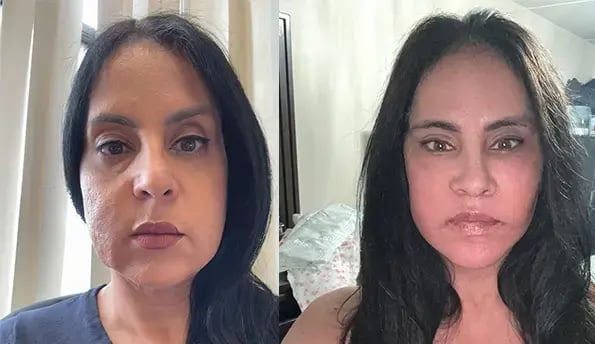
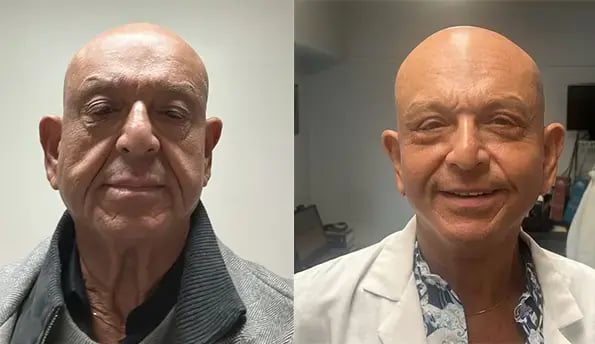
Real patient proof

Everything about facelift

In this guide
  1. What are the Pros and Cons of Facelift Surgery?
  2. How Much Does a Facelift Cost?
  3. What is the Ideal Age for a Facelift?
  4. What are the Different Types of Facelifts, and How are They Done?
  5. Does a Facelift Include the Neck?
  6. How Long Does Facelift Take to Recover?
  7. How Painful is a Facelift?
  8. What are the Risks of a Facelift?
  9. How Long Does a Facelift Last?
  10. What are the Alternatives to a Facelift?
  11. Facelift in Turkey
  12. How Much Does Facelift Cost in Turkey?
  13. What are the Advantages of Facelift in Turkey?
  14. What are the Advantages of Facelift in Istanbul?
  15. Is it Safe to Get a Facelift Operation in Turkey? Is Facelift Surgery Safe in Turkey?
  16. What are the Tips That Can Help the Facelift Healing Process?
  17. Top Reasons Why People Choose Turkey for Facelift
  18. What is the Best Country for Facelift?
  19. How Do I Find The Right Doctor For Me?
  20. What Are The Types of Facelift Procedures Offered in Turkey? What are the Types of Facelift in Turkey?
  21. What to Expect During Facelift Recovery?
  22. What is the Facelift Timeline?
  23. What are the Tips to Speed Up Facelift Recovery Time?
  24. What are the Complications can be Occurred After Facelift?

What are the Pros and Cons of Facelift Surgery?

Pros of Facelift Surgery:
 
Youthful Appearance: Tightening sagging skin and reducing wrinkles can help achieve a more youthful appearance. 

Improved Self-Confidence: Many individuals experience increased self-confidence and improved self-esteem following successful surgery.

Long-Lasting Results: While not permanent, the results can last several years, offering lasting benefits.

Cons of Facelift Surgery:
 
Risks and Complications: Like any surgery, it carries risks such as infection, scarring, or adverse reactions to general anaesthetic. 

Recovery Time: Recovery from a facelift may involve swelling, bruising, and discomfort, requiring time off from regular activities.

Expense: Facelift surgery can be expensive. Insurance usually doesn't cover it because it's considered a cosmetic procedure.

How Much Does a Facelift Cost?

The cost of a facelift varies based on several factors. For example the surgeon's expertise, geographic location, and the extent of the procedure. On average, facelift prices can range from $7,000 to $15,000.

People need to consult with a plastic surgeon for an accurate cost estimate tailored to individual needs. Remember that additional expenses like anesthesia, facility fees, and post-operative care may contribute to the total cost.

Always prioritize a consultation to understand the specifics and financial aspects of undergoing surgery.

Click for more information

What is the Ideal Age for a Facelift?

When it comes to facelifts, age is a crucial factor. Usually, individuals in their 40s, 50s, or older consider this procedure. However, the "ideal" age for a facelift varies for each person. It's not solely about age but more about personal concerns and skin conditions. 

For younger individuals, non-surgical treatments like fillers might suffice. Consulting with a qualified surgeon helps determine the best approach based on individual needs.

What are the Different Types of Facelifts, and How are They Done?

There are various types of facelifts, each focusing on specific areas and achieving distinct results.

Traditional Facelift: Full facelift method involves incisions along the hairline, extending around the ear. The surgeon tightens underlying tissues, removes excess skin, and repositions facial contours for a younger appearance. 

Mini Facelift: Also known as a "mini face lift," it's less invasive than the traditional option. Doctors make smaller incisions mainly to target sagging skin in the lower face and jawline. 

Mid-Facelift: Targets the middle of the face, concentrating on the cheeks and under-eye areas. Surgeons usually make incisions near the lower eyelids or mouth to lift sagging tissues. 

Thread Lift: This technique involves placing dissolvable threads under the skin. Aime is lifting and tightening particular areas of the face with minimal invasion. Results are temporary but can provide a subtle lift. 

Procedure Details: Generally involve anesthesia, incisions, skin repositioning, and sutures. The exact technique depends on the type of facelift and individual needs. 

1. Preparation: Before the surgery, you'll have consultations with your surgeon to discuss your goals and medical history.

2. Anesthesia: Surgeons use either local or general anesthesia for the procedure. Local anesthesia numbs the area, while general anesthesia puts you to sleep. 

3. Incisions: Plastic surgeons usually make cuts in front of the ear. Sometimes extending around the earlobe and into the hairline. Local anaesthetic can be used. 

4. Lifting and Tightening: Surgeons lift and reposition facial skin. The soft tissues underneath to reduce sagging and wrinkles. 

5. Eyelid Surgery and Brow Lift: Sometimes, surgeons combine a facelift with eyelid surgery. Brow lift for a more complete rejuvenation.

6. Post-Surgery: After the procedure, you'll in a recovery area. They will monitoring your initial recovery from the effects of anesthesia. 

7. Recovery: The day after surgery people feel good. Recovery times differ, but most people can return to work within a few weeks.

8. Final Result: As swelling and bruising decrease. You'll start seeing the final result of a facelift, typically a few weeks after surgery. 

Following post-operative instructions is important. This will bring optimal healing and the outcome in improving facial appearance and signs of aging.

Does a Facelift Include the Neck?

A facelift surgery primarily focuses on rejuvenating the face. However, it's essential to note that a facelift can indeed address the neck area too. This procedure targets sagging skin, wrinkles, and jowls around the lower face and jawline. 

Simultaneously, it involves tightening the muscles and tissues of the neck to create a more youthful appearance. A facelift aims to create a smoother, firmer look.

This will improve the contours of the face and neck, and refresh the overall facial profile.

How Long Does Facelift Take to Recover?

After undergoing this surgery, the recovery period varies for each person. Generally, it takes around 2 to 4 weeks to visibly notice improvements and resume normal activities. Initially, you might experience swelling and bruising, which gradually subside. 


Adhering strictly to your surgeon's post-operative instructions aids in a smoother recovery. Remember, patience is key for the healing process to achieve optimal results.

Click for more information

How Painful is a Facelift?

Facelift surgery is generally well-tolerated, but discomfort varies for each individual. Patients may experience mild to moderate soreness or tightness in the treated areas post-operation. This is manageable with prescribed pain relief medication. 

Swelling and bruising are common but subside within a few weeks. Ensuring proper rest and following post-operative instructions diligently aids in minimizing discomfort. While discomfort is part of the recovery process, the results obtained often outweigh this temporary inconvenience.

Click for more information

What are the Risks of a Facelift?

This may come with potential risks like any other surgical procedure. These risks include bleeding, infection, and reactions to anesthesia.

Additionally, there might be a chance of scarring or changes in skin sensation after the surgery. Some individuals might also experience temporary bruising or swelling.

How Long Does a Facelift Last?

How long a lasts differs for each person and depends on factors such as skin type, lifestyle, and the quality of the procedure.
 

Generally,  outcomes can last anywhere from five to fifteen years. However, the aging process continues, and the face will gradually age again over time. The procedure doesn't halt the natural aging process; it simply resets the clock to a more youthful appearance.

To prolong the results, adopt a healthy lifestyle, apply sunscreen, and stick to a good skincare routine to slow down aging.

Additionally, considering non-invasive procedures or touch-up surgeries later on can further prolong the effects.

What are the Alternatives to a Facelift?

There are alternative treatments that don’t involve surgery. Non-surgical options like dermal fillers, Botox injections, and laser therapy can help reduce wrinkles and tighten skin. These procedures are less invasive and have shorter recovery periods compared to lifting the face. 

Additionally, skincare routines, healthy lifestyle choices, and facial exercises can contribute to maintaining youthful skin.

Facelift in Turkey

This cosmetic procedure aims to revitalize and tighten facial skin, reducing wrinkles and sagging. By skillfully repositioning facial tissues, surgeons restore a youthful appearance in Turkey. The process involves removing excess skin and gently lifting deeper tissues. 

Turkey has skilled facelift surgeons and modern facilities, attracting those seeking facial rejuvenation to this sought-after destination. This safe and effective surgery results in a more youthful, refreshed look, enhancing self-confidence.

How Much Does Facelift Cost in Turkey?

The cost of a facelift varies depending on what type of procedure you choose. Each of the procedures has different prices.

For example, Botox facelift and vampire facelift procedures cost less than other surgical facelift procedures. The average cost of a facelift in Turkey is $4000.

The title of the surgeon and the location of the clinic or hospital may significantly affect the price.

What are the Advantages of Facelift in Turkey?

People who consider visiting Turkey for medical reasons tend to choose İstanbul to undergo their aesthetic procedures because of its high satisfaction rates and the unique character of the city that offers foreign patients an unforgettable experience with its cultural, historical, and gastronomical diversity. 

What are the Advantages of Facelift in Istanbul?

Facelift surgery is a frequently performed surgical procedure in Turkey and İstanbul.

You can find a lot of skilled surgeons with in-depth knowledge of the face tissue while planning your vacation before or after your facelift procedure.

Is it Safe to Get a Facelift Operation in Turkey? Is Facelift Surgery Safe in Turkey?

Turkey is famous for its health tourism. Patients from all over the world prefer Turkey as a medical destination because of its countless advantages.

A facelift is one of the most performed surgical procedures in the country. That is one of the reasons why foreign patients visit the country for cosmetic treatments.

What are the Tips That Can Help the Facelift Healing Process?

It can be seen that patients feel slight pain at night after the facelift treatment. A slight pain may also be felt due to the effect of swelling.

People who have undergone a facelift operation are generally discharged from the hospital the day after the treatment. Small pipe systems (drains) are used to easily expel the fluid accumulated under the skin of the patients.

The removal time of these drains may vary depending on the color and amount of the incoming fluid, and they are removed after approximately 48-72 hours.

Discharge can occur following the removal of the resistors. It is also possible for patients to be discharged with a drain. Removal of the sutures is possible seven or ten days after the operation.
 
It will take a while for the bruises and swellings that may occur after the operation to heal. In this process, it will take time for the swelling to go down completely, while the bruises will take a shorter time to pass.

The bruises will heal in about a week after the facelift treatment. If the swelling is completely healed, a period of one month is expected to be completed.

If the facelift procedure is performed on a person with a more advanced condition and is more drooping in the neck area, the recovery time of swelling and bruises may be longer.

It is recommended to keep the head above the heart level in order for the recovery period to progress faster and the swelling to decrease after the operation.

It is very important to lie close to a semi-sitting position, especially during sleep. If you are a very messy sleeper and think that you cannot control yourself, it will be beneficial to sleep with a protruding hat or 2 pillows that can warn you.

It is important for patients to use a face mask after face lift procedures. After the stretching in the area, it is recommended to wear a mask day and night for the first week in order to prevent subcutaneous blood accumulation and to fit the skin of the face.

In the next 2 weeks, it will be sufficient to wear the mask in the evening.

After the facelift treatment, it is recommended that the patients stay away from salty foods for a while and consume plenty of water in order to quickly heal the swelling and reduce the amount of edema.

No matter how well the stretching process for the face area is performed, the patients will carry the traces of the treatment for a while.

If the incisions made for the stretching process are made from areas that are not visible like the inside of the hair, the scars will not be obvious.

However, the remaining red traces of the cuts in the ear area will be evident for a few months. Patients who do not want these scars to appear can minimize or completely hide the prominence with the help of make-up materials.

Smoking should be stopped after all operations as it will prolong the healing process and cause negative effects. It would be a good behavior for smokers not to smoke for their own health and recovery in a short time after this type of operation.

Another important issue for patients after face lift treatment will be skin care. Since the skin remains in the plaster for about 3 days after the treatment, it is not possible to care.

After a short time after the opening of the patch, care can be started as it will restore the skin balance.

Depending on the patient's condition, cleaning can be done with skin care products in the third or fourth week after the operation. In addition, skin healing can be supported by the vitamin supplements used.

Top Reasons Why People Choose Turkey for Facelift

Surgeons with in-depth knowledge of the procedures, well-educated staff, good communication skills of the workforce, and the natural and historical beauties of the country make it attractive and desirable for thousands of foreign patients.

The most charming part of the country is that you pay less than in any other western country for the best quality service.

What is the Best Country for Facelift?

Turkey is the best country for Facelift beacuse many high-quality clinics offer you accommodation, airport transfers and translator service. Foreign patients who visit Turkey can also have a great vacation enjoying the numerous cultural and natural beauties.

How Do I Find The Right Doctor For Me?

Plastic surgeons perform facelifts. Look for a skilled surgeon who you can trust. The surgeon you choose has to be honest with you about your facelift procedure.

What Are The Types of Facelift Procedures Offered in Turkey? What are the Types of Facelift in Turkey?

Traditional facelift surgery is the most common technique to improve the signs of aging, but sometimes, other procedures can be enough for the patient’s face.

There are several facelift procedures, and most of them require local anesthesia. The most common facelift procedures are these:
  • Mini facelift
  • One stitch facelift
  • Liquid facelift
  • Lower facelift
  • Vampire facelift
  • Thread facelift
  • HiFu facelift
  • 8 point facelift
  • Laser facelift
  • Stem cell facelift
  • Sono Bello facelift
  • CACI facelift
  • Natural facelift
  • Madonna facelift
  • Botox facelift

What to Expect During Facelift Recovery?

Facelift as in every operation, first of all require the patient to be ready for this process.

If the patients know what kind of process they will go through and are ready for it, both the operation will be more successful and the patients will feel more comfortable in the pre- and post-operative period.

For the face lift, it is sufficient for the patients to allocate a period of approximately twenty days for this procedure.


Patients should be very sensitive in choosing a doctor in order for the process to be more comfortable and for a successful result after the treatment.

For choosing the right doctor, it would be a right way to do good research and to observe the stories of the patients with whom the doctor has previously practiced.

Natural results can be achieved if face lift procedures are planned correctly and applied by a specialist. In these treatments, which are a fight against signs of aging, patients can decide more easily because the possibility of post-procedure complications is less.

What is the Facelift Timeline?

After facelift surgery, it is a process that patients must be careful and attentive to. In this process, attention should be paid to the following issues, here is the time line:

  • A drain can be placed for the fluids accumulating under the skin of the person. These drains will be removed within 48-72 hours.
  • It is recommended to keep the head above the level of the heart in order for the swelling and bruises to go away faster during the healing process.
  • After the operation, patients should use a face mask. In order for the face to fit properly and to prevent blood accumulation under the skin, a mask should be worn both day and night for the first week. For the next 2 weeks, it is sufficient to wear a mask only at night.
  • After the operation, attention should also be paid to nutrition in order to accelerate the healing process. In particular, excessive salt consumption should be avoided. In general, it is recommended to stay away from foods and behaviors that cause edema.
  • Adequate water consumption per day is also extremely important.
  • Immediately after the procedure, there will be a scar in the area. This situation should not worry or scare you, because over time, the appearance of scars will be almost non-existent.
In general, these are the factors that patients should pay attention to after facelift procedures. Your doctor will inform and warn you much better about this.

You should definitely listen to his advice and pay attention during this process.

What are the Tips to Speed Up Facelift Recovery Time?

As before the operation, smoking and alcohol use must be stopped after the operation. Such habits will slow down the healing process of the person and at the same time reduce the effect of the operation.

No skin care treatments should be applied to your skin for the first 3 days after the procedure. Afterwards, you can perform skin care procedures according to your doctor's recommendation. Thanks to the vitamin supplements taken in this process, it will be possible for the skin to recover itself.


As before the operation, you should not consume drugs and foods that have blood thinning effects for a certain period of time.

  • Since hair dying is not possible for at least a month, you should dye your hair before the procedure.
  • You should not shave your beard for three months
  • You can take a shower after three days
  • Back to work or social life will be possible after two weeks
  • You should also wait for two weeks to wear make-up
  • Avoid any blow to your face
  • Avoid heavy exercise for two months
  • Protect your face from the sun by wearing sunscreen every day for six months

What are the Complications can be Occurred After Facelift?

Since facial rejuvenation and lifting operations are often performed with anesthesia, they carry risks like any surgery.

However, although they are not heavy and very risky operations, they are operations that will not cause problems after the operation.

The operations performed by expert surgeons will be performed in a way that you will not be disturbed and you will not get infected, and you will be healed in a short time. Facial lift operations are among the operations that heal in a short time.

Hematoma: Collection of blood under the skin (hematoma) is one of the common complications of facelift. The hematoma causes swelling and pain. It usually occurs 24 hours after surgery.

Once a hematoma has formed, prompt surgical treatment helps prevent damage to the skin and other subcutaneous tissues.

Scars: Incision scars formed after facelift surgery are permanent. However, they are often hidden by the hairline and natural contours of the face and ear. Rarely, possible infections that you may get during the operation can cause raised scars.

Injury of Nerve Cells: Injury of nerves is not very common in facelift operations. An injury that may occur during the operation can affect sensation or the nerves that control the muscles. This effect can be temporary or permanent.

Temporary loss of sensation or inability to move a facial muscle can last from several months to a year, which can cause an uneven facial appearance or expression. Surgical intervention, which you can have as a result of such a complication, may allow the healing process to accelerate.

Hair Loss: Temporary or permanent hair loss may be observed near the incision areas. Permanent hair loss can be removed with hair follicles and skin transplant surgery.

Skin loss: Although rare, side effects that may occur during the facelift operation may cut off the blood flow to the facial tissues. This can cause skin irritation and flaking and peeling. Skin shedding can be treated with medications and appropriate wound care.

Infection: The appearance of skin infections after its treatment is very rare, but it can still be seen. A serious skin infection that can occur under the skin can be life-threatening. Postoperative surgical intervention may be required.

Hyperpigmentation: Hyperpigmentation refers to the appearance of dark spots caused by the overproduction of the melanin pigment that gives the skin its color and the excessive accumulation of the said pigment under the skin.

As a result of the operation, this side effect can be observed permanently or temporarily. If it is observed together with other side effects, contact the nearest health center.
💬 Get a free quotevia WhatsApp