How Much Weight Can You Lose with a Sleeve Gastrectomy?
With a sleeve gastrectomy, you can lose a lot of weight. Most people lose 60-70% of their extra body weight in the first year. In the beginning, you might lose about one pound a day for the first two weeks. After that, it usually slows down to about 8-10 pounds each month.
If you follow your doctor's advice, like doing more exercise and weight training, you can lose even more inches. This surgery helps a lot, but you also need to make healthy changes in your life to see the best results.
What are the Pros and Cons of Gastric Sleeve Surgery?
Pros:
- Helps you lose a lot of weight.
- Improves your health and reduces the risk of diseases like diabetes.
- Boosts your confidence and self-esteem.
- Quick surgery with fast recovery.
- Smaller stomach makes it easier to eat less.
Cons:
- Possible pain and discomfort after surgery.
- Risk of infection or other complications.
- Requires changing your eating habits, which can be difficult.
- Permanent change to your body.
Sleeve gastrectomy surgery is a common type of bariatric surgery. A comprehensive bariatric surgery program includes pre-op and post-op care for patients undergoing various surgical weight-loss procedures.
Gastric sleeve procedures are among the most effective weight loss surgeries available today. Many patients have successfully lost weight through gastric sleeve operations.
How Much Does Gastric Sleeve Surgery Cost?
Gastric sleeve surgery prices vary by country. In Turkey, it starts at 2,450 euros. In the United States, the average cost is $7,825. In the UK, the price ranges between £7,000 and £11,000. This surgery helps people lose weight by making their stomach smaller.
The cost can be high, but it’s important to find a good doctor and hospital. Some people choose Turkey because it’s cheaper and has good medical care. Before deciding, talk to your family and doctor to make sure it’s the right choice for you.
Who’s a Good Candidate for Gastric Sleeve Surgery?
A good candidate for gastric sleeve surgery is:
- Someone who is very overweight (BMI of 40 or higher).
- Someone with a BMI of 35 or higher and has health problems like diabetes or high blood pressure.
- Someone who has tried to lose weight with diet and exercise but hasn't been successful.
- Someone who is healthy enough for surgery.
- Someone who understands the surgery and is ready for the changes it will bring.
- Someone who is committed to making healthy lifestyle changes after surgery.
- Someone who has support from family and friends to help with the changes.
If you meet these conditions, you might be a good candidate for gastric sleeve surgery.
How Do You Prepare for Gastric Sleeve Surgery?
These steps will help you get ready for your gastric sleeve surgery.
1. Consult Your Doctor: Talk to your doctor to understand the surgery and ask questions.
2. Follow a Diet Plan: Your doctor may give you a special diet to follow before the surgery.
3. Stop Smoking: If you smoke, stop at least a few weeks before the surgery.
4. Avoid Certain Medications: Stop taking any medicines your doctor tells you to avoid.
5. Exercise Regularly: Start light exercise to get your body ready for surgery.
6. Arrange Help: Make sure someone can help you after the surgery.
7. Pack a Hospital Bag: Include comfortable clothes, personal items, and any required documents.
What Happens During a Gastric Sleeve Procedure?
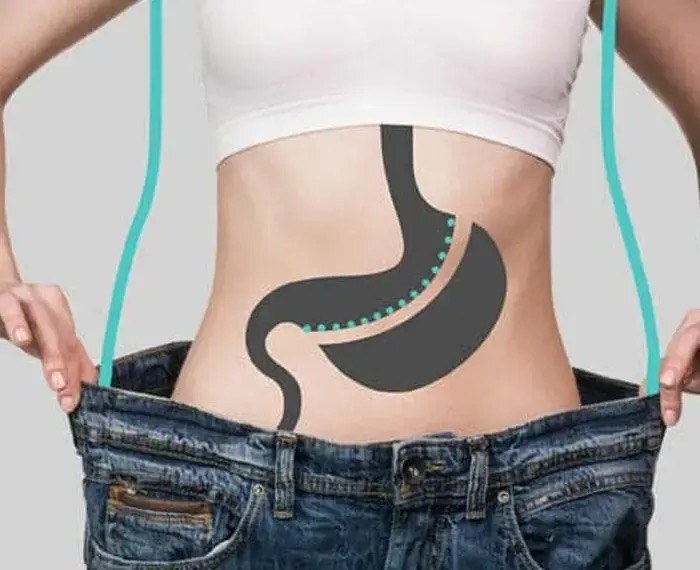
During a gastric sleeve procedure, surgeons use small incisions in your abdomen to access your stomach. They carefully remove about 80% of the stomach, leaving behind a sleeve-shaped portion. This smaller stomach limits the amount of food you can eat, making you feel full sooner.
The procedure is irreversible and reduces the production of the hunger hormone ghrelin. Patients often experience significant weight loss and improvements in obesity-related health conditions post-surgery. It's an effective option for those battling obesity and related health issues.
What Kind of Staples and How Many Staples are Used in Gastric Sleeve Procedure?
In gastric bypass surgery, about 4 to 6 staples are typically used. The ideal number depends on individual anatomy and surgeon preference. Common brands include Ethicon, Covidien, and Medtronic.
Ethicon is often preferred for its reliability and precision. Covidien staples are known for their strength. Medtronic offers advanced technology for precise placement. Always trust your doctor's choice for what's best for you.
How Long Does Gastric Sleeve Recovery Take?
Gastric sleeve recovery typically takes about 4 to 6 weeks. During this time, you'll need to rest a lot and follow your doctor's instructions closely. After surgery, you'll start with liquid foods and slowly progress to soft foods, then regular meals. It's important to take it easy and not rush back into your normal routine. Make sure to attend all follow-up appointments with your doctor to monitor your progress and ensure everything is healing well.
Which Foods Should You Avoid After Gastric Sleeve Surgery?
After gastric sleeve surgery, avoid sugary snacks like candy and soda because they can cause dumping syndrome. Skip greasy foods like fried chicken and french fries because they're hard to digest. Avoid tough meats like steak and pork chops; opt for softer proteins like fish or tofu instead. Steer clear of carbonated drinks and alcohol to prevent discomfort and complications. Stick to small, frequent meals of nutritious foods like fruits, vegetables, lean proteins, and whole grains to support your recovery and weight loss goals.
Is Gastric Sleeve Surgery Safe?
Yes, gastric sleeve surgery is generally safe, but it's important to talk to a doctor about the risks and benefits. During the surgery, doctors reduce the size of your stomach to help with weight loss. It can lead to positive changes in health and lifestyle, but there are potential risks like infection or blood clots. Doctors will assess if it's the right option based on individual health needs. Follow-up care and lifestyle changes are crucial for success and safety after the surgery. Always consult a healthcare professional for personalized advice.
Do Sleeve Gastrectomy Patients Get Dumping Syndrome?
Yes, some sleeve gastrectomy patients can experience dumping syndrome. This happens when food moves too quickly from the stomach to the small intestine. Symptoms include sweating, dizziness, nausea, and diarrhea. Eating sugary or high-carb foods can trigger it. It's important for patients to eat small, balanced meals to avoid this. If they experience symptoms, they should lie down and rest. Drinking water can help, but they should avoid sugary drinks. Consulting a doctor for advice on managing symptoms is crucial for their health and comfort.
When Will You See Results from Gastric Sleeve Surgery?
After gastric sleeve surgery, you may start noticing changes in your weight and health within a few weeks. However, significant results like major weight loss typically begin within three to six months post-surgery. It's important to follow your doctor's instructions for diet and exercise to maximize the benefits of the procedure. Remember, everyone's journey is different, so be patient and stay committed to your health goals.
How Long Do Gastric Sleeve Results Last?
Gastric sleeve results can last a lifetime if healthy habits are maintained. After surgery, weight loss typically continues for 12-18 months, stabilizing thereafter. Long-term success depends on lifestyle changes like a balanced diet and regular exercise.
Follow-up appointments with doctors help monitor progress and address any concerns. Sticking to medical advice and adopting a healthy lifestyle maximizes the chances of sustained weight loss and overall well-being.
Gastric Sleeve Surgery vs. Gastric Bypass
Gastric sleeve surgery and gastric bypass are both weight loss surgeries. Gastric sleeve surgery reduces stomach size by removing a portion, making it smaller. This limits food intake and reduces hunger. Gastric bypass involves creating a smaller stomach pouch and rerouting the digestive tract. It reduces the amount of food you can eat and how many calories your body absorbs. Both surgeries help with weight loss, but they have different methods. It's important to talk to a doctor to decide which one is best for you.
Gastric Sleeve Surgery vs. Endoscopic Sleeve Gastroplasty
Gastric sleeve surgery and endoscopic sleeve gastroplasty are both weight loss procedures. Gastric sleeve surgery involves removing part of the stomach to create a smaller pouch. Endoscopic sleeve gastroplasty is done through a scope and reduces stomach size with sutures. While both help with weight loss, gastric sleeve surgery is more invasive, requiring surgery and longer recovery time. Endoscopic sleeve gastroplasty is less invasive and may have fewer risks, but weight loss results can vary. Consultation with doctors is crucial to decide which option is best based on individual needs and health factors.
Which Other Weight Loss Treatments are Worth Considering?
If you're looking to lose weight, there are some options to consider. Prescription medications like Wegovy and Ozempic can help without surgery, but they should only be used under a doctor's guidance. Surgical options like adjustable gastric band or duodenal switch can also be effective, but they're more serious and have risks. Remember, it's important to talk to a doctor before starting any weight loss treatment to find the best option for you.
Gastric Sleeve Surgery in Turkey
Gastric Sleeve Procedure is a standard bariatric surgery procedure performed in Turkey. There are many hospitals and clinics in Turkey where individuals may get sleeve gastrectomy procedures.
Turkey is a popular destination for medical tourism, including bariatric surgery, due to its high-quality healthcare facilities, experienced doctors, and relatively affordable prices.
Also, Turkey offers medical tourism packages that include transportation, accommodation, and other logistics to make the process as smooth as possible for international patients.
How Much Does Gastric Sleeve Surgery Cost in Turkey?
The average cost of Gastric Sleeve Surgery in Turkey is $3,500. Depending on several factors, including the specific clinic or hospital where the procedure is performed, the surgeon's experience and qualifications, and the facility's geographic location, the cost of Gastric Sleeve Surgery in Turkey can range from $2,000 to $8,000.
Gastric Sleeve Surgery is a standard bariatric surgery procedure performed in Turkey. There are many nationally accredited hospitals or clinics and experienced and expert board-certified surgeons in Turkey where individuals may get Gastric Sleeve Surgeries.
Turkey also offers "All Inclusive Packages” for patients from abroad. The package includes transportation, airport, hotel transfers, hotel expenses and accommodation, hospital, doctor, and surgery fees with medical evaluation and monitoring...
Finally, the cost of gastric sleeve surgery in Turkey is often lower than in many other countries.
What are the Advantages of Gastric Sleeve Surgery in Turkey?
Gastric sleeve surgery in Turkey is often more affordable (with a 50- 60% lower cost range) than in many other countries, making it a popular destination for medical tourism.
Turkey has many highly qualified and experienced bariatric surgeons specializing in Gastric Sleeve Surgery, and many of the country's clinics and hospitals are equipped with state-of-the-art facilities and equipment.
Turkey is an impressive destination with natural beauty, a historical past, and a culture. You can get a short vacation in Turkey to reduce the stress experienced before the surgery.
What are the Advantages of Gastric Sleeve Surgery in Istanbul?
Istanbul is a popular destination for Gastric Sleeve Surgery due to several advantages, including:
Istanbul is home to many world-class hospitals and medical facilities that offer state-of-the-art equipment and facilities and highly qualified and experienced bariatric surgeons.
Istanbul has many experienced and skilled bariatric surgeons specializing in Gastric Sleeve Surgery and other weight loss procedures.
Unlike many other countries, gastric sleeve surgery in Istanbul is often more affordable, making it a popular medical tourism destination.
Istanbul is a vibrant and culturally rich city that offers a wide range of tourism opportunities. Patients who travel to Istanbul for Gastric Sleeve Surgery can combine their medical treatment with a vacation or sightseeing trip.
Many medical facilities and staff in Istanbul are fluent in multiple languages, including English, making it easier for patients who do not speak Turkish to communicate with their doctors and medical staff.
Gastric Sleeve Surgery is typically performed laparoscopically, a minimally invasive technique that results in smaller incisions, less scarring, and a faster recovery time. Patients who undergo Gastric Sleeve Surgery in Istanbul can typically return to normal activities within a few weeks.
Smile design can help to improve self-confidence and self-esteem, and may also have functional benefits such as improving the alignment of teeth or correcting bite issues.
Is it Safe to Get a Gastric Sleeve Surgery in Turkey?
Gastric Sleeve Surgery is a major surgery with certain risks, as with any surgical procedure. However, with proper precautions, selecting a reputable medical facility, and an experienced surgeon, it is generally safe to undergo a Gastric Sleeve Surgery operation in Turkey.
Turkey has a well-developed healthcare system with many world-class hospitals and medical facilities that offer high-quality care.
Turkey has extensive training and experience in performing Gastric Sleeve Surgery procedures. They use the latest techniques and technologies to ensure a safe and effective surgery.
Before undergoing sleeve gastrectomy in Turkey, it is essential to do proper research, choose a reputable medical facility and surgeon, and follow all pre- and post-operative instructions to reduce the risk of complications. It is also essential to have a thorough medical evaluation to see if you are a good candidate for the surgery.
What are the Tips That Can Help the Gastric Sleeve Surgery Healing Process?
Each patient and surgical procedure is unique; therefore, every healing process is different, and the recovery period changes from person to person.
This is the first rule that you must keep in mind. In general, some common tips can help the Sleeve gastrectomy healing process...
-
First of all, the individuals must follow the post-operative instructions that the surgeon suggested.
-
As in any surgery, it is recommended that patients stay hydrated. Drinking fluids, especially water, can help speed up healing, prevent constipation, and reduce the risk of complications.
-
After Gastric Sleeve Surgery, the stomach will be significantly smaller. Eating small, frequent meals and avoiding overeating is essential to avoid discomfort, nausea, and vomiting.
-
Stay in line with your new diet. The adaptation process may be challenging, but life will be easier as you get used to it.
-
To reduce the risk of nutritional deficiencies, eating a nutrient-dense diet, including lean protein, fruits, vegetables, and whole grains, is essential.
-
Engaging in physical activity will be your new routine. Walking or light exercise can help speed up the healing process, reduce the risk of complications, and improve overall health and well-being.
Recovering from Gastric Sleeve Surgery can be emotionally challenging. Seeking emotional support from a professional counselor will help to cope with the changes and challenges that come with the surgery.
Which is the Best Country for Gastric Sleeve Surgery?
No "best" country for Gastric Sleeve Surgery exists, depending on individual preferences, needs, and circumstances.
However, several countries are known for offering high-quality sleeve gastrectomy procedures, including:
Turkey is a popular destination for Gastric Sleeve Surgery due to its world-class medical facilities, experienced surgeons, and affordable cost.
The countries that follow Turkey are Mexico, India, Thailand, and Germany.
Is Turkey Good for Sleeve Gastrectomy?
Yes, Turkey is known to be a good destination for Gastric Sleeve Surgery. Turkey has many world-class medical facilities that offer high-quality care, modern equipment, and state-of-the-art facilities.
Many bariatric surgeons in Turkey have extensive experience performing Gastric Sleeve Surgeries, using the latest techniques and technologies to ensure safe and effective surgery.
Compared to many other countries, the cost of gastric sleeve surgery in Turkey is generally more affordable, making it a popular medical tourism destination.
Also, Turkey is situated in a convenient location that is easily accessible from Europe, Asia, and the Middle East.
What Are The Types of Sleeve Gastrectomy Procedures Offered in Turkey?
The most common type of sleeve gastrectomy performed in Turkey is the traditional laparoscopic sleeve gastrectomy (LSG).
However, there are some variations of the procedure;
-
For patients who have a BMI of less than 35, Laparoscopic mini-sleeve gastrectomy may be considered in Turkey.
-
Robotic sleeve gastrectomy, which allows for greater precision and control during the surgery, is the other option performed successfully in Turkey.
There are also non-surgical alternatives, such as Endoscopic sleeve gastroplasty, that individuals may consider taking in Turkey.
What to Expect During Gastric Sleeve Surgery Recovery
You've picked your surgeon and scheduled your weight loss surgery. But do you know how much time you'll need off work? What about childcare? Will you need help at home after surgery?
Rest and recovery are important for any surgery, including gastric sleeve surgery. Even though it's minimally invasive, you still need to plan for downtime. So, what does the recovery process look like?
How Long Will I be in the Hospital After Gastric Sleeve Surgery?
Most patients stay in the hospital for 1-3 days after gastric sleeve surgery. While in the hospital, staff will monitor you and run tests to make sure there are no issues. Once cleared by your surgeon, you can go home to continue recovering.
Things to Consider While Recovering from Gastric Sleeve Surgery at Home
Before leaving the hospital, you'll get care instructions and a diet plan. It's normal to feel very tired because your body is healing and you're eating fewer calories. Plan to rest a lot in the first few days at home.
Think about your home layout. Are there stairs? Will you need to climb them to get to your bedroom? How easy is it to get to the bathroom? Light activities like short walks are good, but climbing stairs and standing or walking too long can be hard, so plan.
How Quickly Can I Return to Work After Gastric Sleeve Surgery?
Most patients can return to work within 1 week, and some within 3-4 days. However, the timing depends on several factors:
Type of Work – A desk job is easier to return to than a physically demanding job like construction.
Overall Healing Process – Everyone heals at their own pace. How soon you can return to work depends on your recovery and if you have any complications.
How Painful is Gastric Sleeve Recovery?
After gastric sleeve surgery, you might feel some pain, but it is usually not too bad. Most patients say the pain feels like soreness or a dull ache. You will get pain medicine to help you feel better.
In the first few days, you might feel more pain when you move or get up. This is normal and should get better each day. Walking a little bit can help with the pain and speed up your recovery.
Most patients start to feel much better after a week. If your pain is very bad or doesn't get better, you should call your doctor.
What is the Hardest Part of Gastric Sleeve Surgery?
The hardest part of gastric sleeve surgery can vary for each person, but here are some common challenges:
1. Diet Changes: After surgery, you need to follow a strict diet plan. At first, you can only have liquids, then soft foods, and slowly start eating solid foods again. This can be tough to adjust to.
2. Lifestyle Adjustments: You must make long-term changes to your eating habits and lifestyle. This includes eating smaller portions, chewing food well, and avoiding certain foods.
3. Emotional Impact: Changing your diet and lifestyle can be emotionally challenging. You might feel frustrated or sad about not being able to eat the same way you used to.
4. Recovery Pain: There can be some pain and discomfort during the recovery period. You need to rest and take it easy, which can be hard if you are used to being active.
5. Patience: Weight loss after surgery takes time. You need to be patient and follow your doctor’s advice to see the best results.
6. Support: Having a support system is important. You might need help from family or friends, especially in the first few days after surgery.
These challenges can be difficult, but with the right support and mindset, you can overcome them and succeed in your weight loss journey.
How Many Days to Recover from Gastric Sleeve Surgery?
Recovery time from gastric sleeve surgery varies, but here are some general guidelines:
1. Hospital Stay: Most patients stay in the hospital for 1-3 days. Some may even go home the same day, but this is less common and depends on individual health and surgery outcomes.
2. First Few Days at Home: You will need to rest and take it easy for the first few days after returning home. Your body will use most of its energy to heal, so expect to feel tired.
3. Returning to Normal Activities: Light activities like short walks are encouraged soon after surgery. However, avoid heavy lifting and strenuous activities for at least 4-6 weeks.
4. Returning to Work: Many people can return to desk jobs within 1 week. If your job involves physical labor, you might need 3-4 weeks or more before going back to work.
5. Full Recovery: Complete recovery and adjusting to your new eating habits can take a few months. You will need to follow your doctor's dietary guidelines and gradually reintroduce solid foods.
Everyone’s recovery is different, so it's important to follow your doctor's advice and listen to your body.
What is the Fastest Way to Recover from Gastric Sleeve Surgery?
The speed of recovery from gastric sleeve surgery can vary from person to person, but here are some general tips to help facilitate a faster recovery:
1. Follow Your Doctor's Instructions: Strictly adhere to your surgeon's post-operative guidelines regarding diet, medication, and activity level.
2. Stay Hydrated: Drink plenty of fluids, preferably water, to stay hydrated and aid in the healing process.
3. Gradually Increase Activity: Start with light activities like short walks and gradually increase your activity level as tolerated. Avoid strenuous exercise until cleared by your surgeon.
4. Get Plenty of Rest: Listen to your body and get adequate rest to allow for optimal healing. Avoid overexertion and prioritize sleep.
5. Eat Nutrient-Rich Foods: Follow your surgeon's dietary recommendations to ensure proper nutrition and aid in recovery. Focus on consuming lean proteins, fruits, vegetables, and whole grains.
6. Attend Follow-Up Appointments: Attend all scheduled follow-up appointments with your surgeon to monitor your progress and address any concerns or complications promptly.
7. Seek Support: Lean on friends, family, or support groups for emotional support and encouragement throughout the recovery process.