Who Might want to Get Hair Transplant?
The following people may consider a hair transplant:
- People with male pattern baldness or female pattern baldness.
- People who experience hair loss due to head scarring, scalp injuries, or cosmetic surgery procedures.
- Those who need revision hair transplantation
- And those who will feel better after having a hair transplant
Who are the Right Candidates for Hair Transplant?
Hair transplant surgery is not suitable for everyone. The ideal candidates are typically in their late 20s or older and have sufficient healthy donor hair on the back and sides of the head.
It's generally not recommended for individuals under 25 due to unrealistic expectations. Good overall health is essential, so those with conditions like diabetes, high blood pressure, or organ failure may not be suitable candidates.
The cause of hair loss also plays a role; stress-related hair loss may not benefit from a transplant, while male pattern baldness over several years makes for an ideal candidate.
Additionally, hair color, texture, and waviness can affect the transplant's outcome, and your surgeon will assess these factors during the consultation.
How Should You Prepare for Hair Transplant?
Preparing for hair transplant surgery involves several steps. Massaging your scalp for 10-20 minutes daily two weeks before the procedure can enhance blood circulation and improve surgical outcomes. Protect your scalp from the sun to ensure healthier skin for transplantation.
Alcohol and smoking should be avoided at least a week prior to surgery, as they can hinder the healing process. Discontinue blood-thinning medications to minimize bleeding risks during surgery.
Your doctor will provide specific instructions tailored to your needs, so follow them diligently for a successful procedure.
What Happens Before Hair Transplant Procedure?
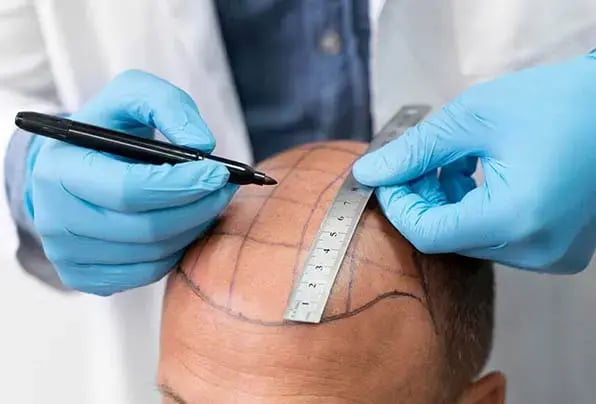
The first of the criteria to be done before the hair transplant operation is examination and planning. The purpose of the first examination before hair transplantation; is to determine the cause of hair loss correctly and to determine the patient's needs correctly.
The first examination starts with a detailed anamnesis and anamnesis; It includes information such as the patient's age, chronic diseases, medications, smoking, alcohol use, allergy status and hair loss history.
Whether the patient is suitable for hair transplantation, how many grafts he will need, the hair transplantation plan is determined after the first examination, which is very important, and after the patient's entire history is investigated, appropriate treatment is performed.
What Happens During Hair Transplant Procedure? How is Hair Transplant Done?
During a hair transplant procedure, which typically lasts 3 to 8 hours, local anesthesia is administered to ensure comfort throughout. Beforehand, you'll be instructed to shampoo your head and may undergo a surgical scrub.
The donor area, where hair is harvested from, is trimmed short for easy access. Then, small sections of hair-bearing scalp are removed, divided into tiny grafts, and transplanted into recipient sites on the scalp. Normal saline is used to maintain skin strength and minimize bleeding.
The recipient area is also injected with saline to minimize bleeding and pain. Surgeons create tiny holes or slits in the recipient area following the direction of existing hair growth, where grafts containing one to three hairs are placed.
After grafting, the scalp is cleansed, covered with gauze, and sometimes wrapped with a pressure bandage for a day or two.
What Happens After Hair Transplant Procedure?
After hair transplantation, you are discharged. Many center will transfer you to your hotel after the hair transplant. The next day, your control and dressing is done.
On the 3rd day after transplantation, you are taken from your hotel to the hospital and your first hair wash is done in the hospital and your instructions are given.
Doctor tells you what to watch out for. Most hair transplant centers ask you to stay in Turkey for 4 days and 3 nights and then you will be transferred to the airport.
What is Hair Transplant Timeline?
In a hair transplant timeline, the initial consultation occurs to assess candidacy and discuss expectations. Pre-operative preparations include scalp massage, sun protection, and discontinuation of certain medications.
On the day of surgery, local anesthesia is administered, and donor hair is harvested and transplanted into recipient sites. Post-operatively, patients may experience swelling and scabbing, followed by gradual hair growth over several months, with hair transplant results visible within 9-12 months.
How Much Does Hair Transplant Cost?
Hair transplant cost depends on the operation technique selected, size of the area to be operated, number of hair grafts needed, the device used, surgeon and clinic fees.
Worldwide hair transplant cost range differs from $25 to $30,000. In Turkey the average price per graft varies from $0.2 to $1. FUE techniques are used and the average cost is between $1000-$ 4000 (Us dollar) meanwhile the average cost worldwide is $7,500.
How Long is Hair Transplant Recovery Period?
One of the frequently asked questions by those who are considering a hair transplant is the recovery period. Although the hair transplant recovery process differs from person to person, the patient can return to his normal life two to three days after the end of the hair transplant.
After hair transplantation, the crust that binds to the area falls off within ten days. The redness and itching complaints encountered in the first stage disappear in a short time. After two to three months, a shock shedding phase is experienced.
After this completely normal process, the transplanted hair begins to grow. The completion of the hair transplant process takes approximately one year.
Following the information given to you by your doctor about the healing process after hair transplantation will ensure that the treatment reaches a permanent result.
The fact that the doctor performing the operation is an expert in the field plays a major role in the hair transplant recovery process.
What are the Pros and Cons of Hair Transplant?
Pros:
- It provides successful results in cases where other hair loss treatments do not work.
- It is successful in the treatment of hair loss in large areas.
- Unlike other treatments, it can be applied even in the later stages of hair loss.
- You get natural looking hair.
- It is suitable for both men and women.
- After your hair starts to grow again, it does not fall out.
Cons:
- Long hair transplant process
- Cost
- Recovery time
- Scarring may remain (in general FUT operations and unsuccessful FUE operations)
- It takes a long time for new hair to grow
- The hair around the transplanted area may fall out after a while if it is not done in a specialist center.
Is Hair Transplant Painful?
Hair transplant procedure is carried out with local anesthesia; and if needed it can also be done under sedation as well. You will not feel any pain during the surgery.
After hair transplant surgery it will take a few days for the pain to subside which can be managed by painkillers.
What is the Ideal Season for Hair Transplant?
You can have your hair transplant any time you want. Only in some months and seasonal transitions you need to pay extra attention during the recovery time. For best hair transplant results;
If you are planning to get your hair transplant during summer time than; protect your head from UV lights. At least 10 days avoid direct sun lights. Cancel your swimming vacation for at least 15 days after the surgery.
What are the Complications and Side Effects of Hair Transplant Surgery?
Beside the advantages of hair transplant surgery there are some little points that can be considered as disadvantages.
The very first disadvantage of hair transplant procedure is the long waiting period. It takes around 3-4 months for the whole procedure to be completely done.
Secondly no one can give you guarantee that the surgery will match your expectations. You can get into a lot of problems as hair transplantation is a surgical procedure if you are not working with a qualified surgeon.
The hair transplant cost is another disadvantage of the surgery. The costs vary from person to person and it is quite expensive compared to other cosmetic treatments. Hair transplantation demands a lot of expenditure starting from the very beginning and even after the surgery ends.
Another disadvantage of hair transplantation is there exists many side effects run parallel during the treatment. Such as itching, pain, numbness, non-acceptance of a foreign tissue, etc.
How Long Does A Hair Transplant Last?
Hair transplant is a permanent solution and can last a lifetime if the hair graft is harvested from the safe zone. Hair graft collected from the safe zone does not exist DHT.
DHT is the receptor that causes hair loss. The requirement of grafts is dependent on a number of factors such as age of the patient, grade of baldness, family history, condition of donor hair, etc..
You may not need an extra session if you protect your existing hair from further hair loss.
What is the Best Age to Have a Hair Transplant?
Although age is no bar for hair transplantation, the pros and cons of a transplant need to be carefully evaluated in the younger patients. Who are in their late 20s or older are the best aged candidates for hair transplant surgery.
Does the Transplanted Hair Fall Out?
Regardless of whether FUT or FUE is performed, the hair grafts and the existing hairs can temporarily shed roughly three weeks post op.
This occurrence is called “effluvium” or “shock loss”. Shock loss causes 80% to 95% of the hairs to fall out after that the follicles will lie dormant from three to eight months.
This is the unavoidable part of the hair restoration process and it is temporary. Although it can be disconcerting to see the hairs shed after a hair restoration procedure, try to remember that this is a good sign of progress.
Planted hairs need time to mature and will grow at different rates. The grafts will remain in the place they have been shifted to and in just a few short months, the follicles will revive from their dormant state and new hair will sprout.
Mens Hair Transplant Versus Hair Transplant Surgery Woman
When it comes to hair transplant procedures, there are differences between men and women. While both men and women can undergo hair transplant surgery to address hair loss, the approach may vary depending on factors such as the pattern of hair loss and the characteristics of the hair.
Men typically experience hair loss in a specific pattern known as male pattern baldness, which often involves receding hairlines and thinning at the crown. On the other hand, women tend to experience hair loss more diffusely across the scalp, with thinning occurring all over rather than in specific patterns.
Therefore, hair transplant techniques for women may involve addressing larger areas of thinning rather than focusing on specific bald spots as often seen in men. Additionally, the quality and texture of hair may differ between men and women, influencing the approach taken during the transplant procedure.
How Much Does Hair Transplant Cost in Turkey?
The average cost of a hair transplant operation in Turkey ranges from $2.500 and $3.000, while the same operation in Britain or the U.S. could cost up to $25,000.
In Germany hair transplant prices start from 6.000 Euro. In Italy a FUT operation costs around 4.000 Euro while in Turkey the cost of a similar procedure averages at 1.500 Euro.
When you compare Turkey to France, hair transplant in France costs are between 5.000 Euro- 12.500 Euro. Getting your surgery in Turkey provides saving, confidence and high satisfaction results.
What are the Advantages of Hair Transplant in Turkey?
Hair transplantation is one of the most developed procedures in Turkey. There are many advantages of Hair Transplant in Turkey. First of all Turkey is a hotspot for hair transplant. Each month numerous patients fly to Turkey for hair transplant and return back with the high satisfaction average.
Turkey, with its competitive prices offers you international standards clinics and hospitals, affordable prices, skilled expert teams and experienced patient consultants for hair transplant surgery.
In Turkey most of the clinics have modern accreditations, including JCI. Having a JCI certificate is a guarantee of providing patients with quality medical care. No matter how far you are located you may get online consultation from most of the clinics in Turkey.
Another advantage of getting your hair transplant in Turkey is that you can get your hair transplant any time you want. There are no waiting lists like other countries in Turkey.
Turkey, hair transplant clinics and hospitals provide the latest technology so you will be able to get the newest procedures in the hair transplantation field.
Most of the clinics will arrange each small detail from your surgery to travel. All inclusive packages including treatment expenses, your transfer excluding your flight, the hotel budget will be sent immediately before you agree on an appointment.
Turkey is an impressive destination with natural beauties, historical past and culture. You may enjoy your time beside your hair transplant procedures.
With years of experience and positive results in the hair transplant field, Turkey offers confidence.
What are the Advantages of Hair Transplant in Istanbul?
Istanbul is a well-known tourist destination which bridges the cultures of Europe and Asia. Besides cultural and historical beauties İstanbul is the capital city of hair transplantation.
With modern and high tech clinics and hospitals, İstanbul provides the newest procedures in the hair transplantation field.
In İstanbul, hair transplantation surgery is done by affordable prices, skilled expert teams in JCI certificated clinics and hospitals.
İstanbul offers visitors a unique travel experience and a guarantee of providing quality medical care.
Is it Safe to Get an Hair Transplant Operation in Turkey? Is Hair Transplant Surgery Safe in Turkey?
Turkey is a country where there are many experienced surgeons as well as an extremely large number of experts trained in hair transplantation. It is extremely safe to have a hair transplant in Turkey, which has state-of-the-art healthcare facilities. But we recommend that you do your research well.
Top Reasons Why People Choose Turkey for Hair Transplant
Despite the experience of the doctors and the quality of the equipment, the cost of FUE hair transplantation in Turkey is much lower than in other European countries.
In addition, accommodation, airport transfers, clinic transfers are also included in the health service offered. For these reasons and thanks to the high success rate in clinics, it is completely safe to have a hair transplant in Turkey. Therefore, hair transplant in Turkey is the best choice you can make.
What is the Best Country for Hair Transplant?
According to the results of independent research, the success rate in hair transplantation has reached 100% in Turkey, and the quality level of technological and hygienic hair transplantation surgery clinics is well above the world average. So, Turket is the best country for hair transplant.
Is Turkey Good for Hair Transplant?
After Turkey has become an important destination for hair transplantation in recent years, more than 20,000 patients from Europe and the Middle East travel to Turkey every year to receive quality service.
What are the Types of Hair Transplant in Turkey? What Are The Types of Hair Transplant Procedures Offered in Turkey?
There are different techniques of hair transplantation in Turkey. The most common and known hair transplantation techniques are FUT and FUE. Your surgeon will decide which technique is the best for you.
Also there is a hair plugs technique which is outdated in the medical world, but it is a phrase we sometimes hear, especially from our foreign patients. Further more information about hair plugs you can read our blog writing.
Is Hair Plugs Technique Still Used in Hair Transplantation? Both FUE and FUT have the same principle based on a strip of skin containing hair follicles being removed, cut into grafts and implanted in the recipient area.
In Follicular Unit Excision (FUE) whole follicle units are extracted one by one and implanted one by one back into the recipient area.
Follicular unit transplantation (FUT) was designed to move hair from the donor area with follicular units that contain oil glands, nerves, a small muscle, and occasional fine vellus hairs.
Follicular Unit Transplantation (FUT), is the method in which the surgeon makes incisions of hair from the back of your scalp to remove a strip and then transfer it to the target area.
Follicular Unit Excision (FUE) is the method in which the surgeon extracts individual follicles from the strip and then plants them to the target area.
As the scarring is less noticeable FUE Technique is much more suitable for men who use hair very short. A hair transplant procedure is the only way to guarantee effortless, permanent and convincing results. However, there are several nonsurgical options for hair loss.
These procedures, and treatments can't offer the maintenance permanency of a hair transplant. These are the alternatives of hair transplant treatment in Turkey:
Platelet rich plasma (PRP): In principle PRP treatment is done to stimulate new hair growth by taking your blood’s own platelets and mixes it with growth factors and proteins, then injects them back to the target area. The procedure needs to be repeated every four to six months to maintain results.
Low-level laser therapy (LLLT): Some LLLT devices, like HairMax and CapillusPro are used for this procedure. In this method the patient has to use these devices every week to stimulate hair growth. It takes about six months for the results to show off. Afterwards the patient has to keep using them to maintain the results.
Scalp micropigmentation, known as SMP, is another nonsurgical treatment. In this procedure by the help of microneedles dots of pigment embed into the scalp. This will create an illusion such as the appearance of real hair follicles that have just been shaved.
Hair mesotherapy is performed by injecting a wide range of vitamins, minerals, proteins and antioxidants that your hair needed directly into the scalp. It stimulates cellular metabolism and paves the way for tissue regeneration.
What to Expect During Hair Transplant Recovery?
In the hair transplant operation, the post-transplant period is as important as the transplant. After the operation, the transplanted area should be left open without bandaging and air should be provided. After hair transplant, patients typically experience a period of healing and recovery.
The area should not be rubbed or exposed to trauma for a week post-transplant. Avoid strenuous activities to prevent disruption to the healing process.
Patients are advised to sleep upright for two days to minimize friction. Gentle washing should commence on the second day, with instructions to avoid scratching or picking scabs.
Hair shedding may occur for 1-3 months before permanent growth begins.
What is the Hair Transplant Timeline?
Hair restoration through hair transplant procedures offers long-term solutions for hair loss. Hair transplant growth chart helps track the progress of hair growth post-surgery.
- Follicular Unit Transplant: Recovery in 2-3 weeks.
- Follicular Unit Extraction: Patient recovers in 5 days.
- Initially, expect swelling and bruising for 3 days, possibly continuing up to 4 days post-surgery.
- Antibiotics and painkillers aid comfort.
- Avoid strenuous movements to protect newly grafted follicles.
- Sleep with head elevated using extra pillows.
- Showering requires caution; avoid hair for 3 days, then wash gently on the 4th day.
- Light exercise like walking is okay after the first week.
- Resist scratching despite itchiness in the first month.
- "Shock loss" of hair is natural within 6-10 weeks. Patience is key as hair growth begins 8-12 months post-surgery.
What are the Tips to Speed up Hair Transplant Recovery Time?
Post-Hair Transplant Care Tips:
Sleep upright: Use multiple pillows or a reclining chair to reduce swelling.
Delay washing: Wait 48 hours before gently washing hair with warm water.
Apply soft pressure: If bleeding occurs, lightly press with a clean cloth.
Take prescribed meds: Medication aids healing and reduces irritation.
Hide visible follicles: Keep hair long to conceal any visible signs of surgery.
Avoid exertion: Steer clear of strenuous activities to aid recovery.
Eat healthily: Opt for a nutritious diet, avoiding spicy food and alcohol.
Stay patient: Hair growth takes time; be patient for optimal results.
What are the Complications can be Occurred After Hair Transplant?
Hair transplantation is an extremely safe and effective procedure for the right candidate without significant risks or complications. A bad hair transplant can result from inexperienced surgeons or poor surgical techniques.
Patients may experience scabbing on the scalp following a hair transplant procedure. Side effects of hair transplant surgery may include temporary swelling or discomfort.
However, as is the case in any surgery, there are risks
The main risks have to do with managing patient expectations. The best use of hair transplants is to help define the anterior hairline and give a fuller, natural look to hairline and temples.
Besides this there are also some side effects of the surgery which can be described as risks. Crown hair transplant focuses on restoring hair to the crown area of the scalp.
Scarring, unnatural results, excessively large visible grafts, loss of existing hair (shock effluvium), infection (rare but can occur with any procedure), cysts, numbness are the risks that any patient can face with. Make sure you have a good doctor and ask about the risks.