Skip to content
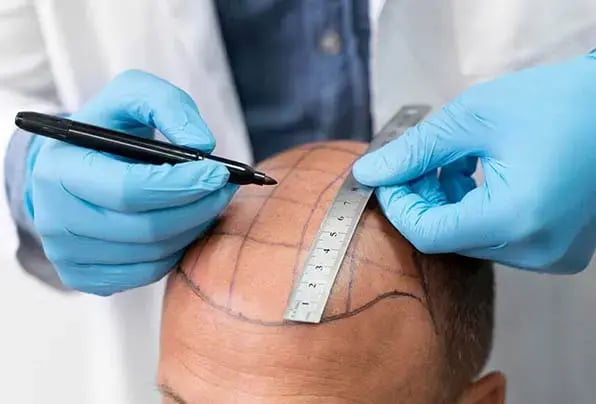
Doctor marking a planned hairline before a hair transplant

Hair Transplant in Turkey

Hair transplant clinics and doctors we work with. Compare prices, get a written quote.

from €1,130 package price

4.8 · 520 surgeon reviews on GoogleMoH licence AK-0945

Excellent4.7 on Trustpilot

Reply within 24h · no card · no obligation · Chat on WhatsApp

  • RecoveryOften 1-2 weeks off work
What is a hair transplant?

A hair transplant moves hair from the back and sides of your head to areas that are thin or bald. It suits permanent, pattern hair loss best. Transplanted hair sheds first and the full result takes 12 to 18 months - results vary, and your doctor will tell you what is realistic for your hair.

Hair transplant clinics and doctors

See all

Find my surgeon

Not sure who to choose? Get matched in 4 questions

First: where are you travelling from?

Why book through &NewMe

  • Verified clinics and doctorsA registered clinic and its doctors, with licence and facility checked on HealthTürkiye. How we verify
  • A written, itemised quote before you travelSet by the provider, with what is included. Patients do not pay &NewMe a fee.
  • A real coordinator, before, during and afterIf something goes wrong, we stand by you and help sort it out with the provider. You have the same rights as Turkish patients under the Patient Rights Regulation.

Licensed by the Turkish Ministry of Health (AK-0945)

Roughly how much does it cost?

From €1,130
"From" is the lowest package currently listed (Hair Transplant, Dr. Sibel Ulusan). The 5 clinics and doctors with a published price on &NewMe list €1,130 to €1,780. Cards are ordered by our checks and our history with each provider, not by price, so the first cards can cost more. Many hair clinics only price after seeing photos of your scalp - they quote within this range. Your exact price depends on the clinic, technique and how many grafts you need; you get it in writing before you book.
Get a free quote →

Usually included

  • The transplant session (one day) with local anaesthetic - the number of grafts or the area is stated in your quote
  • Medicines and aftercare products for the first days, and the first wash at the clinic
  • Your &NewMe coordinator, before and after the procedure

Often extra - check your quote

  • Hotel nights and airport transfers (included in some packages, for example 2 hotel nights)
  • PRP sessions and sedation
  • A second session if you need more grafts later
  • Flights and travel insurance

Support and safeguards, every step

Complication insurance
Included by most providers - check your quote for the plan, its limits and any initial exclusion period
Your coordinator stays with you the whole way
Not just before surgery - through recovery too
Every hospital and surgeon vetted
Licensed, Ministry of Health-certified, authorised for health tourism

How the process works

  1. Online consultation - share your photos and test results
  2. Flight to Istanbul, hotel and airport pickup
  3. Surgery and hospital stay
  4. Recovery, return home and remote follow-up

Is it right for me?

Am I a suitable candidate? →
A few questions about your health and goals - no commitment
Start check →

Real patient proof

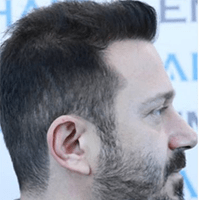
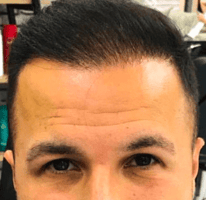
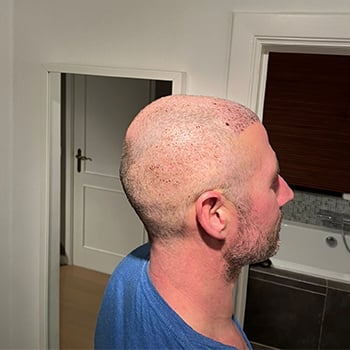
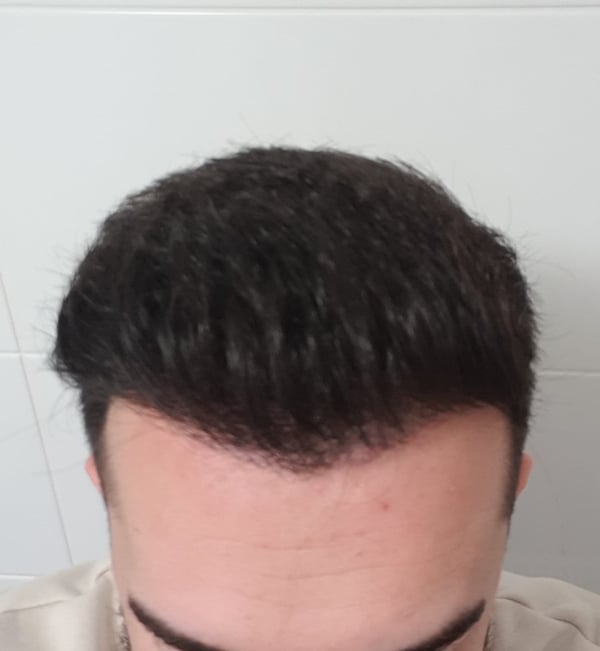
Shared with consent. Results vary from person to person, and the full result of a hair transplant takes 12 to 18 months.

Patient reviews

See all

In their own words, shared with consent. Names shortened for privacy.

Why Turkey - is it safe?

Ministry of Health-registered
JCI-accredited hospitals
TÜRSAB-licensed agency

Frequently asked questions

How much does a hair transplant cost in Turkey?

Listed hair transplant packages on &NewMe currently range from €1,130 to €1,780, depending on the clinic, technique and number of grafts. You get a written quote before you book. Hair transplant cost guide

How many grafts will I need?

It depends on the area, the density you want and your donor hair. A hairline often needs about 1,000 to 2,000 grafts and the front half of the head often 2,000 to 3,500. The clinic should state the planned number in your quote.

FUE or DHI - which is better?

Neither is better for everyone. Both take grafts one by one; DHI places them with an implanter pen. The doctor's planning and the team's care matter more than the name.

Does the transplanted hair fall out?

Yes, most of it sheds a few weeks after the procedure. New hair usually starts to appear around month 4, and the full result takes about 12 to 18 months.

Does a hair transplant hurt?

It is done under local anaesthetic, so you should not feel pain during the procedure; the injections themselves sting. Afterwards the scalp is usually tight and sore for a few days.

How long should I stay in Turkey?

Usually 2 to 4 days: the procedure day and a check with the first wash. Ask your clinic before you book flights.

Do I need finasteride or minoxidil?

Not everyone does. They can help slow further hair loss but have side effects and are not right for everyone - talk to your doctor.

Can women have a hair transplant?

Yes, if the hair loss is in a defined area and the donor area is stable. A doctor should check the cause of the hair loss first.

Can I have a beard or eyebrow transplant?

Yes - the same technique is used with fewer grafts. Ask for a quote; we do not list beard or eyebrow packages online yet.

Hair transplant: what to expect

Short answers to the questions we hear most. Your doctor will advise on your own case.

What is a hair transplant?

A hair transplant moves hair follicles from an area where hair is permanent - usually the back and sides of the head (the "donor area") - to an area that is thin or bald. The moved hairs keep behaving like donor hair, so they usually keep growing. It is mostly used for pattern hair loss, the type that runs in families. It is not usually suitable for patchy hair loss such as alopecia areata, and it does not stop your own hair from thinning further around the transplant.

Sources: NHS - Hair transplant; BAAPS - Hair transplant surgery.

What causes hair loss?

FUE, DHI, sapphire and FUT: what is the difference?

  • FUE (follicular unit extraction) - single follicles are taken one by one from the donor area, which is usually shaved. It leaves many tiny dot scars rather than one line. This is the technique most clinics in Turkey use.
  • DHI - a type of FUE where the grafts are placed with a pen-like implanter instead of into pre-made slits. Some clinics use it for hairlines or to avoid shaving the top. It is often priced higher.
  • Sapphire FUE - FUE where the small openings for the grafts are made with a sapphire blade instead of steel. Clinics describe it as finer; there is little independent evidence that the blade alone changes the result.
  • FUT (strip method) - a thin strip of scalp is removed and divided into grafts. It leaves one linear scar at the back, hidden unless hair is very short. Rarely offered in Turkey.

The planning, the doctor's experience and how carefully the grafts are handled matter more than the name of the technique. On &NewMe, packages name the technique where the clinic or doctor gives it (for example FUE, DHI or FUE + DHI).

Sources: NHS - Hair transplant; ISHRS - Surgical treatments.

How many grafts will I need?

A graft is a small group of 1 to 4 hairs. The number depends on the area you want to cover, how dense you want it to look and how much donor hair you have. As a rough guide from the quotes we see: a hairline or temples often needs from about 1,000 to 2,000 grafts, the front half of the head often 2,000 to 3,500, and more for larger areas. Larger areas may need 2 sessions on different days.

Your donor area is limited and does not grow back, so be careful with promises of "unlimited" or very high graft numbers. Ask the clinic to state the planned number of grafts in your written quote, and how they will plan for hair you may lose later.

Sources: NHS - Hair transplant; ISHRS - Surgical treatments.

Who does what on the day?

A hair transplant is a long, mostly manual procedure, and much of it is done by a team. The ISHRS says a licensed doctor should do the diagnosis, design the hairline, harvest the grafts and make the openings where they go. Before you book, ask the clinic which steps the doctor does personally, who else is in the team and how many procedures the clinic does on the same day.

Sources: ISHRS - Consumer advocacy.

What does recovery look like?

  • The procedure: usually one day, under local anaesthetic (sometimes with sedation); you do not stay overnight.
  • First days: a tight, achy and swollen scalp, and small scabs where the grafts were placed. Swelling can reach the forehead.
  • First wash: usually at the clinic after a few days - follow the clinic's washing instructions exactly.
  • First 2 weeks: the grafts are not secure yet - do not rub, scratch or press on them.
  • Work: many people take 1 to 2 weeks off; some go back sooner if they can cover the redness.
  • Exercise: you may be asked to cut down on exercise in the first month.

Sources: NHS - Hair transplant.

Shedding and "shock loss"

A few weeks after the transplant, most of the transplanted hairs fall out. This is expected: the follicles stay in the skin and start growing new hair from around month 4. Some people also lose some of their existing hair around the treated area for a while ("shock loss"); it usually grows back over the following months, but not always - ask your doctor how they reduce this risk in your case.

Sources: NHS - Hair transplant.

When will I see the result?

  • Weeks 2 to 6: transplanted hairs shed.
  • Around month 4: new hair usually starts to appear.
  • Months 6 to 9: visible change, hair still fine.
  • Around 12 to 18 months: the full result (the NHS says 10 to 18 months).

Results vary from person to person, and not every graft grows. Judge the result only after a year or more.

Sources: NHS - Hair transplant.

When can I fly home?

Most people fly home a few days after the procedure, once the clinic has done the first check and wash - ask your clinic how many days they want you in Turkey before you book flights. On the flight, protect the grafts: avoid rubbing your head on the seat or a neck pillow, wear only a loose hat if the clinic allows it, drink water and walk around. Keep the clinic's aftercare instructions and medicines in your hand luggage.

Sources: NHS - Cosmetic surgery abroad.

Medicines: finasteride, minoxidil and the ones you already take

A transplant does not stop pattern hair loss. Some people use medicines such as finasteride or minoxidil to slow further loss, before or after a transplant. They can have side effects and are not suitable for everyone - talk to your doctor before you start or stop them, and do not buy them without a prescription where one is needed.

Tell the clinic about every medicine and supplement you take, especially blood thinners, and about conditions such as diabetes or high blood pressure. Do not stop a prescribed medicine for the procedure unless your own doctor agrees.

Sources: NHS - Hair loss; ISHRS - Finasteride; ISHRS - Minoxidil.

Hair transplant for women

Women can have hair transplants, but fewer women are good candidates: female hair loss is often spread over the whole top of the head, which can also thin the donor area. A doctor should first look for the cause (for example thyroid, iron or hormones). A transplant works best for a defined area, such as a high hairline, a scar or a patch with a stable donor area.

Sources: ISHRS - Hair transplant for women; NHS - Hair loss.

Beard and eyebrow transplant

The same FUE technique is used to fill a patchy beard, moustache or thin eyebrows, usually with hairs from the back of the scalp. The number of grafts is smaller - a beard can need from a few hundred to 2,000 or more, eyebrows usually a few hundred. Transplanted scalp hairs keep growing like scalp hair, so eyebrows need regular trimming, and not every graft grows. We do not list beard or eyebrow transplant packages online yet - ask for a quote and your coordinator will check with the clinics.

Sources: ISHRS - Beard transplant.

What are the risks?

A hair transplant is generally a safe procedure, but as with any procedure there is a small risk of bleeding, infection and a reaction to the anaesthetic. There is also a risk that the grafts do not grow, that scars are noticeable (more often with FUT, or with over-harvesting in FUE), numbness of the scalp for a while, and an unnatural look if the hairline is placed too low for your future hair loss.

Sources: NHS - Hair transplant.

If something isn't right after you're home

  • Your coordinator stays with you through recovery - message them first with photos if something worries you.
  • Remote follow-up with your clinic is part of the process after you return home - send photos at the times they ask.

For spreading redness, pus, a fever or severe pain, get medical help at home straight away, then tell your coordinator.

How do I choose a hair transplant clinic or doctor?

  • A clinic or hospital licensed by the Turkish Ministry of Health; for international patients, check it on HealthTürkiye (the Ministry's portal).
  • A named doctor, and a clear answer on which steps the doctor does personally.
  • Before-and-after photos of patients with similar hair loss, ideally at 12 months.
  • A written quote with the technique, planned number of grafts, what is included and what happens if you need a touch-up.

Many hair transplant clinics are run by a team rather than one surgeon. On &NewMe the Verified by &NewMe badge only appears when we have checked the licences and the doctor's registration. How we verify

Sources: BAAPS - Consumer safety guidelines; ISHRS - Consumer advocacy.

Get your free offers

Loading form…

WhatsApp