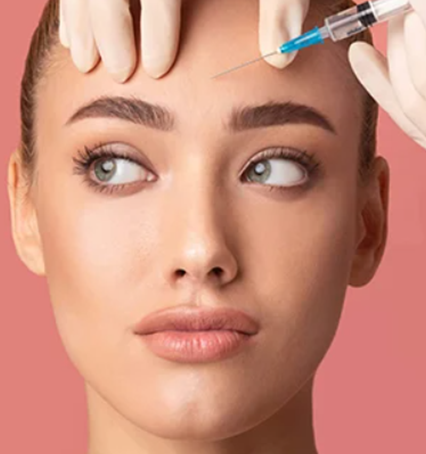
Botox in Turkey
from €370 package price
★ 4.5 · 396 surgeon reviews on GoogleMoH licence AK-0945
Reply within 24h · no card · no obligation · Chat on WhatsApp
- AnaesthesiaLocal Anesthesia
- Recovery1 Weeks
What is Botox?
Botox is the name given to the method that reduces fine lines and wrinkles on the skin surface and delays the formation of new ones as a result of the injection of a toxin obtained from the bacteria called "Clostridium Botulinum" and temporarily relaxing/blocking the nerve endings attached to the muscles.
Surgeons we trust

Find my surgeon
Not sure who to choose? Get matched in 4 questions
First: where are you travelling from?
Why book through &NewMe
-
Verified surgeonsA named surgeon, with licence and hospital checked on HealthTürkiye. How we verify
-
A written, itemised quote before you travelSet by the provider, with what is included. Patients do not pay &NewMe a fee.
-
A real coordinator, before, during and afterIf something goes wrong, we stand by you and help sort it out with the provider. You have the same rights as Turkish patients under the Patient Rights Regulation.
Roughly how much does it cost?
Usually included
- Surgery and anaesthesia by your named surgeon
- Hospital stay - nights shown on each surgeon's package
- Your &NewMe coordinator, before and after surgery
Often extra - check your quote
- Flights and travel insurance
- Hotel nights and airport transfers (included in some packages)
Support and safeguards, every step
How the process works
- Online consultation - share your photos and test results
- Flight to Istanbul, hotel and airport pickup
- Surgery and hospital stay
- Recovery, return home and remote follow-up
Is it right for me?
Why Turkey - is it safe?
Everything about botox
Who Might Want to Get Botox?
Pregnant or nursing women should wait until they stop breastfeeding.
How Does Botox Work?
When Botox is injected into specific muscles, the muscles will relax, and by this effect, the appearance of wrinkles and fine lines can be reduced.
What Cosmetic Conditions Can Be Treated with Botox?
Some of the cosmetic conditions that can be treated with Botox include:
- Forehead lines: To smooth out horizontal lines and wrinkles...
- Crow's feet: To treat the lines around the eyes when smiling or squinting...
- Frown lines: To treat the vertical lines between the eyebrows that cause an angry or tired look...
- Bunny lines: To treat the lines that occur when smiling and occur on the nose's sides...
- Lip lines: To treat the fine lines around the lips, also known as smoker's lines...
- Chin dimples: To treat the dimpling or "orange peel" effect that can occur on the chin...
- Jawline contouring: To form a slimmer, more defined appearance…
What Medical Conditions Can be Treated with Botox?
- Botox injections can be used to treat chronic migraines in adults,
- Botox can be used to treat muscle spasms that are caused by cerebral palsy, multiple sclerosis, and spinal cord injuries.
- Botox injections can treat excessive sweating (hyperhidrosis) in the underarms, hands, and feet.
- Botox injections can be used to treat overactive bladder in adults who have not responded to other treatments.
- Botox injections can treat strabismus (misaligned eyes) in adults and children.
- Botox injections can treat blepharospasm (involuntary eyelid twitching) in adults.
- Botox injections can be used to treat cervical dystonia (abnormal head position and neck pain) in adults.
Can Botox Help Reduce Pain?
Yes, Botox can help to reduce pain caused by certain medical conditions. Botox works by blocking muscle contractions that cause muscle spasms or other conditions.
Chronic migraine headaches, muscle spasms, and pain associated with conditions such as cerebral palsy, multiple sclerosis, and spinal cord injuries can be treated by Botox.
Is Botox Safe?
People with certain medical conditions or taking specific medications may not be good candidates for Botox, so discussing your medical history with your healthcare provider before getting the treatment is essential.
How Long Does Botox Last?
The effects of Botox typically last between three to six months, after which time the treated muscles will gradually regain their ability to contract.
How is Botox Recovery?
How Does Botox for Migraines Work?
Botox injections are administered to specific head and neck areas, including the forehead, temples, back of the head, and neck.
The injections are typically given every 12 weeks; the effects can last up to three months. Some people may begin to see improvement in their migraines within a few weeks of the first treatment, while others may require multiple treatments before they see a significant improvement.
Can You Get Botox While Pregnant?
It's generally best to avoid Botox injections during pregnancy and breastfeeding, as the risks and safety of the treatment in these situations are not well understood.
Can You Get Botox While Breastfeeding?
Botox injections are usually administered to specific areas of the body, such as the face or neck, and it's not known how much of the drug can enter breast milk.
Additionally, Botox may cause muscle weakness or other side effects, which can affect the ability of a nursing infant to breastfeed.
Are There Any Botox Side Effects?
Like any medication, Botox can cause side effects, including:
- Pain, swelling, or redness at the injection site
- Headache or flu-like symptoms
- Drooping of the eyelid or eyebrow
- Uneven smile or facial expression
- Dry mouth or excessive tearing
- Difficulty swallowing or breathing
In rare cases, Botox can also cause more severe side effects, such as allergic reactions, muscle weakness, or vision problems.
How Much Does Botox Cost?
Botox is generally priced per unit, and the number of units needed can vary depending on the individual's goals and the area being treated.
The average cost of Botox in Turkey ranges from $200 to $1200 or more, depending on the abovementioned factors. In the US, the average cost of Botox is $560, and in the UK, prices range between £300 and £1350.
How Painful is Botox?
What Happens If You Do Not Like Your Botox Results?
Botox Treatment for Hair
What Are The Pros and Cons Of a Botox Treatment?
- Botox treatments are easy to apply, and doctors do the injections in the office or clinic.
- A session takes about 40 minutes.
- Botox injections can treat many things and reduce the signs of aging.
- There is no downtime after getting injections.
Cons
- The results are not permanent.
- Overusing the injections may cause a frozen face, preventing certain facial expressions, such as smiling and frowning.
When using any botulinum toxin product, such as those provided by Allergan, it’s important to refer to the medication guide for proper cosmetic dosing units. Understanding the cosmetic full product information helps to avoid immediate allergic reactions and all-over muscle weakness.
Botulinum toxin is also used for treating chronic migraine, and knowing the toxin effects is crucial for safety. Always compare with other botulinum toxin products to ensure the best choice for your needs.
Botox vs Fillers
Dysport, Nabota Botox vs Botox
Dysport is another protein derived from the same bacterium as Botox. Dysport has a higher diffusion rate than Botox. Because of this, it is a better solution for forehead lines.
The results of both treatments last 4 to 6 months. There is no significant difference between the two brands.
Nabota Botox is a brand of botulinum toxin type A, similar to Botox. It is used for cosmetic and medical purposes, such as reducing the appearance of wrinkles and fine lines, as well as treating certain muscular conditions.
Nabota is known for its high purity and efficacy, and it works by temporarily relaxing the muscles responsible for dynamic wrinkles, providing a smoother and more youthful appearance. It is produced by Daewoong Pharmaceutical, a South Korean company.
What is a Baby Botox?
What Areas Of The Body Can Botox Treat?
A masseter Botox, also known as jaw Botox, can reshape the chin and treat teeth grinding. Botox lip flip, Botox brow lift, and Botox under eyes are common treatments that Botox injections can do.
Even though it is a popular cosmetic procedure, Botox can treat much more than facial wrinkles. Doctors can treat excessive sweating, lazy eye syndrome, neck spasms, eyelid spasms, and migraine with Botox injections.
How Much Does Botox Cost in Turkey?
The cost of Botox varies due to several factors, such as the experience of the provider, geographic location, the specific treatment area, and the number of units of Botox required.
Typically, Botox treatments are priced per unit, and the total number of units needed depends on individual aesthetic goals and the size of the treatment area.
These variations in cost reflect the diverse considerations involved in Botox treatments, making it essential for individuals to consult with a qualified provider to discuss their needs and expectations.
What are the Advantages of Botox in Turkey?
- Botox treatment in Turkey is more affordable than in some other countries. Affordable prices make Turkey a popular destination for medical tourism.
- Botox treatments are widely available in Turkey,
- Turkey has a strong reputation in the field of medical aesthetics, and many providers have extensive experience with Botox injections.
- Turkey is a popular travel destination with many historical and cultural sites to explore, making it a popular choice for individuals who wish to combine medical treatment with travel.
What are the Advantages of Botox in Istanbul?
- Istanbul has a reputation for offering high-quality medical services with experienced medical professionals.
- Botox treatments in Istanbul can be significantly less expensive than in other parts of the world.
- İstanbul offers the latest technology and equipment for Botox treatments.
- Istanbul is a hub for international travel, making it easy for patients from around the world to access Botox treatments in the city.
- Istanbul offer comprehensive services that include not only Botox treatments but also other cosmetic and wellness services, such as dermal fillers, laser treatments, and more.
Is it Safe to Get Botox Treatment in Turkey?
What are the Tips That Can Help the Botox Healing Process?
- At least 24 hours after the Botox procedure avoid touching the treated area.
- It is recommended to avoid from doing any strenuous exercise or activity for 24 hours.
- After Botox treatment at least for four hours don't lye down or lean forward.
- Do not rub or massage the treated area for at least 24 hours after the Botox injection.
- Avoid consuming alcohol or taking blood-thinning medications for 24 hours before and after Botox.
- Apply ice to the treated area for 10 to 15 minutes every hour for the first few hours after the Botox injections.
- Do not take any anti-inflammatory medications for at least 24 hours after the injection.
- Stay hydrated and drink plenty of water after the procedure.
- Avoid exposure to direct sunlight or heat for at least 24 hours after the Botox injections.
Top Reasons Why People Choose Turkey for Botox
- One of the primary reasons people choose Turkey for Botox is the cost. The cost of Botox in Turkey is much lower compared to other countries like the United States and the United Kingdom.
- The quality of Botox treatments in Turkey is high, with well-trained and experienced doctors and technicians. Many of the clinics and hospitals in Turkey are equipped with modern technology and facilities.
- Many people prefer to have cosmetic treatments in Turkey because they can maintain their privacy.
- Turkey is easily accessible from Europe, Asia, and the Middle East, making it a popular destination for medical tourism.
- Turkey is a beautiful country with a rich history and culture. Many people choose to combine their Botox treatment with a holiday in Turkey, making it a unique and enjoyable experience.
- Many clinics in Turkey offer same-day appointments, and treatments can often be completed quickly and efficiently. This makes it an attractive option for those who want to undergo Botox treatment without the long wait times often experienced in other countries.
- Turkey has a reputation for providing high-quality Botox treatments, and many people have left positive reviews about their experiences. This has led to an increase in the number of people choosing Turkey for their cosmetic treatments.
What is the Best Country for Botox?
Is Turkey Good for Botox?
Many people travel to Turkey to receive Botox injections because the cost of treatment is generally lower than in many other countries.
Additionally, many qualified and experienced medical professionals in Turkey are trained in administering Botox injections.
What are The Types of Botox Procedures Offered in Turkey?
What to Expect During Botox Recovery?
- Avoid heavy exercises for a few days.
- Avoid washing your face and do make-up for two days.
- Use a high pillow that lifts your head.
- Wait at least a week for your care routines as eyebrow removal or hair coloring.
- Avoid swimming in pools to prevent infection risk. Avoid exposing your face to sunlight, using the sauna and Turkish bath for a week.
What is the Botox Timeline?
Injection day: On the day of the injection, the healthcare professional will clean the injection site and use a very fine needle to inject small amounts of Botox into the targeted muscles. The procedure typically takes 10-15 minutes to complete.
First few days: In the first few hours or days after the injection, you may experience some redness, swelling, or bruising at the injection site. You may also feel a slight sensation of tightness or numbness in the treated area. These symptoms usually subside within a few days.
Results: Within 2-7 days after the injection, you should start to notice the effects of the Botox treatment: Your facial muscles will gradually become less active, which will result in a reduction in wrinkles and fine lines.
Maintenance: The effects of Botox typically last between 3-4 months, after which you will need to have follow-up injections to maintain the results.
What are the Tips To Reduce Swelling After Botox?
Apply ice: It is important to wrap the ice pack in a towel to avoid direct contact with the skin and apply it for no more than 15-20 minutes at a time.
Avoid strenuous exercise: In the first 24 hours after the Botox treatment, strenuous exercises can increase blood flow to the treated area and cause more swelling.
Keep your head elevated: Try to keep your head elevated for the first night after your Botox treatment to reduce swelling. Use pillows to prop up your head while sleeping.
Stay hydrated: Drink plenty of water after your treatment to keep your body hydrated and help reduce swelling.
Avoid alcohol and salty foods: Alcohol and salty foods can cause dehydration, which can make swelling worse. Avoid these for at least 24 hours after your treatment.
Avoid touching the treated area: Avoid touching or rubbing the treated area for at least 24 hours after your Botox treatment. This can help reduce the risk of infection and minimize swelling.
How Frequently Should Botox Injections be Administered?
While it's not mandatory to undergo another session immediately as the effects gradually fade, optimal benefits are often attained through periodic maintenance treatments, approximately every four months.