Skip to content
Rhinoplasty: a surgeon plans the new shape of the nose

Rhinoplasty in Turkey

Named plastic and ENT surgeons in licensed hospitals. Compare prices, get a written quote.

from €1,500 package price

4.7 · 1,806 surgeon reviews on GoogleMoH licence AK-0945

Excellent4.7 on Trustpilot

Reply within 24h · no card · no obligation · Chat on WhatsApp

  • RecoveryOften up to 2 weeks off work
What is rhinoplasty?

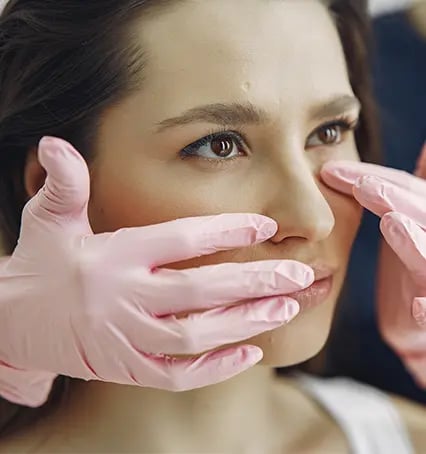
Rhinoplasty changes the shape or size of the nose - and, with septum work, can also help breathing. Most swelling settles in a few weeks, but the final shape takes up to a year. Results vary, and your surgeon will tell you what is realistic for your nose.
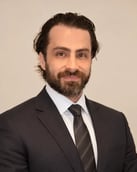
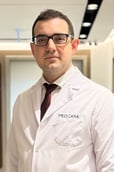
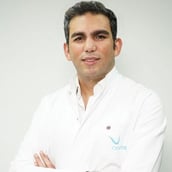
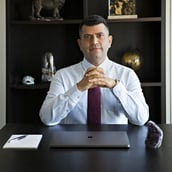
Rhinoplasty surgeons we trust

See all

Find my surgeon

Not sure who to choose? Get matched in 4 questions

First: where are you travelling from?

Why book through &NewMe

  • Verified surgeonsA named surgeon, with licence and hospital checked on HealthTürkiye. How we verify
  • A written, itemised quote before you travelSet by the provider, with what is included. Patients do not pay &NewMe a fee.
  • A real coordinator, before, during and afterIf something goes wrong, we stand by you and help sort it out with the provider. You have the same rights as Turkish patients under the Patient Rights Regulation.

Licensed by the Turkish Ministry of Health (AK-0945)

Roughly how much does it cost?

From €1,500
"From" is the lowest package currently listed (Rhinoplasty, İstanbul Cerrahi Hospital surgical team). The 9 surgeons and hospital teams with a published price on &NewMe list €1,500 to €4,380. Cards are ordered by our checks and our history with each surgeon, not by price, so the first cards can cost more. Surgeons without a published price quote within this range. Your exact price depends on the surgeon, the hospital and what your nose needs (for example cartilage grafts); you get it in writing before you book.
Get a free quote →

Usually included

  • Surgery and general anaesthesia by your named surgeon
  • 1 to 2 nights in hospital - shown on each package
  • The splint or cast, and its removal at the check about a week later
  • Your &NewMe coordinator, before and after surgery

Often extra - check your quote

  • Hotel nights and airport transfers (included in some packages)
  • Cartilage grafts from the rib or donor (cadaver) cartilage, if your nose needs them
  • Flights and travel insurance

Support and safeguards, every step

Complication insurance
Included by most providers - check your quote for the plan, its limits and any initial exclusion period
Your coordinator stays with you the whole way
Not just before surgery - through recovery too
Every hospital and surgeon vetted
Licensed, Ministry of Health-certified, authorised for health tourism

How the process works

  1. Online consultation - share your photos and test results
  2. Flight to Istanbul, hotel and airport pickup
  3. Surgery and hospital stay
  4. Recovery, return home and remote follow-up

Is it right for me?

Am I a suitable candidate? →
A few questions about your health and goals - no commitment
Start check →

Before & after

Shared with consent. Individual results vary.
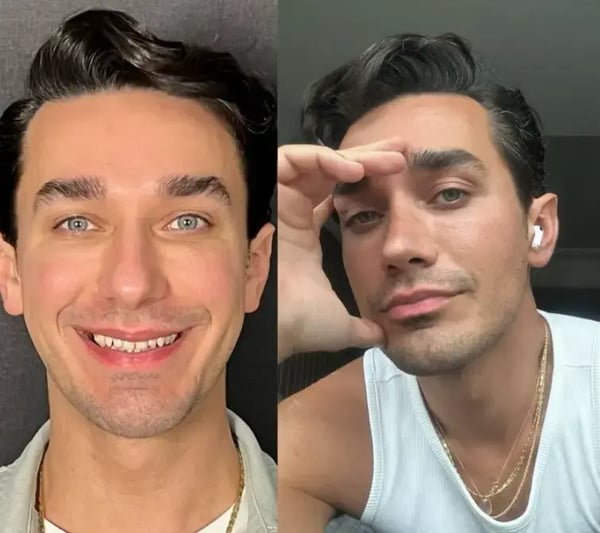
Patient stories

Patient reviews

See all

In their own words, shared with consent. Names shortened for privacy.

Why Turkey - is it safe?

Ministry of Health-registered
JCI-accredited hospitals
TÜRSAB-licensed agency

Frequently asked questions

How much does a nose job cost in Turkey?

Rhinoplasty packages listed on &NewMe currently range from €1,500 to €4,380, depending on the surgeon, the hospital and whether cartilage grafts are needed. Revision rhinoplasty usually costs more. You get a written quote before you pay anything. Rhinoplasty cost guide

How long should I stay in Istanbul?

Plan for about a week. Packages include 1 or 2 nights in hospital, and the splint usually comes off after about 7 days. Many surgeons want to see you before you fly.

When can I go back to work and exercise?

Often up to 2 weeks off work; bruising usually fades by about 3 weeks. Avoid strenuous exercise for 4 to 6 weeks. Your surgeon will advise.

When will I see the final result?

Gradually. Most swelling settles within a few weeks, but it can take up to a year for the new shape to fully refine - the tip settles last.

Can rhinoplasty also fix my breathing?

It can, if the cause is in the structure of the nose, such as a deviated septum. Surgery on both is called a septorhinoplasty. Tell the surgeon about any breathing problems in your consultation.

Open or closed rhinoplasty - which is better?

Neither is better for everyone. Closed leaves no visible scar; open gives the surgeon a direct view for tip and complex work. Your surgeon chooses based on your nose.

Is a computer simulation a promise of my result?

No. A simulation helps you and the surgeon agree on a direction; your skin, cartilage and healing decide the final shape.

What if I'm not happy with the result?

No surgeon can guarantee a result. Because swelling hides the final shape for months, surgeons usually wait until it has settled - often around a year - before considering a revision. Ask each surgeon, in writing, how they handle revisions and what they cost.

Who performs rhinoplasty - a plastic surgeon or an ENT surgeon?

Both. Plastic surgeons and ENT (facial plastic) surgeons perform rhinoplasty; ENT surgeons are often chosen when breathing is part of the problem. What matters most is how often the surgeon does it.

Rhinoplasty: what to expect

Short answers to the questions we hear most. Your surgeon will advise on your own case.

What is rhinoplasty?

Rhinoplasty (a "nose job") is an operation to change the shape or size of the nose. It can reduce or increase the size, take down a hump on the bridge, reshape the tip or the nostrils, narrow the nose or change the angle between the nose and the upper lip. There are limits to how much a nose can be changed: the result depends on your nose, your skin and your age. Rhinoplasty can be done for appearance, for breathing, or both.

Sources: NHS - Nose reshaping (rhinoplasty); BAAPS - Information about rhinoplasty surgery.

Who is it for?

Rhinoplasty is usually done once the face has finished growing. Good candidates are physically healthy, do not smoke and have realistic goals - the operation is best done for yourself, not to please someone else. Many people want a change to the bridge or the tip. Tell the surgeon about any breathing problems, previous nose surgery or injuries, and every medicine and supplement you take.

Sources: ASPS - Is rhinoplasty right for me?; BAAPS - Information about rhinoplasty surgery.

Open or closed rhinoplasty?

  • Closed rhinoplasty - all cuts are inside the nostrils, so there is no visible scar.
  • Open rhinoplasty - a small cut across the skin between the nostrils (the columella) gives the surgeon a direct view; the scar is usually hard to see once healed. It is often used for tip work and more complex noses.

You may also hear terms like "preservation", "piezo" (ultrasonic bone instruments) or "ethnic" rhinoplasty. These describe a surgeon's approach or tools, not a different operation. If the nose needs more support or volume, the surgeon uses cartilage - usually from the septum inside the nose, sometimes from the ear or a rib, or donor (cadaver) cartilage. Ask which approach the surgeon plans for you and why.

Sources: ASPS - Rhinoplasty procedure; BAAPS - Information about rhinoplasty surgery.

Breathing problems, the septum and septorhinoplasty

Rhinoplasty can also improve breathing when the cause is in the structure of the nose. A deviated (crooked) septum - the wall between the nostrils - is one of the most common causes; straightening it is called a septoplasty. When the septum is corrected in the same operation as reshaping the outside of the nose, it is called a septorhinoplasty. Not every blocked nose is caused by the septum (allergies or the turbinates can also play a part), so a breathing assessment comes first. Both plastic surgeons and ENT (ear, nose and throat) surgeons perform these operations.

Sources: ASPS - Rhinoplasty; BAAPS - Information about rhinoplasty surgery; NHS - Nose reshaping (rhinoplasty).

The consultation and computer simulations

The surgeon examines your nose and asks what you dislike and what you would like. Many surgeons show a computer simulation or edited photos. These help you agree on a direction, but they are not a promise of the result - your skin, cartilage and healing decide the final shape. Send clear photos (front, both sides, and from below) so the surgeon can give an initial opinion and a written quote.

Sources: BAAPS - Information about rhinoplasty surgery.

The operation and hospital stay

  • Anaesthesia: usually general anaesthesia.
  • Length: often 1.5 to 3 hours, longer for complex or revision noses.
  • Hospital stay: often 1 or 2 nights - each package on &NewMe shows the nights in hospital.

Sources: NHS - Nose reshaping (rhinoplasty); ASPS - Rhinoplasty procedure.

Splint, cast and packing

At the end of the operation a splint or cast is taped on the outside of the nose to protect the new shape. Soft splints or packing may also be placed inside the nose for a few days to support it and reduce bleeding. The external splint usually stays on for about a week and is removed at the check-up, together with any stitches. Your nose will feel blocked while the inside is healing - breathe through your mouth, do not blow your nose and follow your surgeon's instructions on cleaning it.

Sources: NHS - Nose reshaping (rhinoplasty); ASPS - Rhinoplasty recovery.

What does recovery look like?

  • First days: a sore, stiff and numb nose, a blocked feeling, light nosebleeds, and swelling and bruising around the eyes.
  • About 1 week: the splint and stitches come out.
  • Work: often up to 2 weeks off.
  • About 3 weeks: bruising and redness usually fade.
  • 4 to 6 weeks: back to strenuous exercise; ask your surgeon about contact sports and wearing glasses on the bridge.

Sources: NHS - Nose reshaping (rhinoplasty).

Swelling: when will I see the final result?

Most visible swelling settles within a few weeks, so friends usually see a "normal" nose after 2 to 3 weeks. But the nose keeps refining for much longer: the NHS says swelling can take about 6 months to go down, and ASPS says it may take up to a year for the new shape to fully refine. Swelling can come and go, is often worse in the morning, and the tip is usually the last part to settle - especially with thick skin or after revision surgery. Judge the result at around 12 months, not in the first weeks.

Sources: NHS - Nose reshaping (rhinoplasty); ASPS - Rhinoplasty recovery.

When can I fly home?

Plan to stay in Istanbul for about a week, so the surgeon can remove the splint and check your nose before you travel - ask your surgeon how many days they want you to stay before you book flights. On the flight your nose may feel blocked or uncomfortable with the change in cabin pressure; take the medicines and nasal care your surgeon recommends in your hand luggage, drink water and walk around. Avoid long trips straight after surgery if you can. Arrange follow-up at home before you leave.

Sources: NHS - Cosmetic surgery abroad.

Revision rhinoplasty

A revision (secondary) rhinoplasty corrects or changes the result of an earlier nose operation. ASPS lists the possibility of revisional surgery among the risks of any rhinoplasty. A revision is usually more complex: scar tissue, less cartilage left to work with, and often the need for grafts from the ear, rib or donor cartilage. Because swelling hides the final shape for months, surgeons usually wait until the nose has settled - often around a year after the last operation - before planning a revision. Results are less predictable than a first operation, so choose a surgeon with revision experience, send your previous operation notes if you have them, and ask what a second revision would cost.

Revision packages currently listed on &NewMe: İstanbul Cerrahi Hospital surgical team from €1,750, Dr. Ali Cem Oktay from €2,900, Dr. Orhan Tuğrul from €3,500. How revision prices compare.

Sources: ASPS - Rhinoplasty risks; ASPS - Rhinoplasty procedure; ASPS - Rhinoplasty recovery.

Tip plasty (tip-only rhinoplasty)

If only the tip bothers you - for example a wide, bulbous or drooping tip - some surgeons offer a tip plasty, which reshapes the tip cartilage without breaking the nasal bones. Recovery is often a little easier, but the tip is the slowest part to settle. Your surgeon will tell you whether tip work alone can give the change you want, or whether the bridge also needs work.

Tip plasty packages currently listed: Dr. Ayberk Akçay from €1,500, Dr. Ali Cem Oktay from €2,000, Dr. Orhan Tuğrul from €2,250.

Sources: BAAPS - Information about rhinoplasty surgery.

What are the risks?

Common after-effects are a blocked nose, a stiff and numb nose, swelling and bruising around the eyes and light nosebleeds for the first days. Less common risks include breathing difficulty, a hole in the septum (septal perforation, rare), a change in your sense of smell, heavy nosebleeds, infection, blood clots and a reaction to the anaesthetic. A result you are not happy with - for example asymmetry - is also possible and can mean another operation.

Sources: NHS - Nose reshaping (rhinoplasty); ASPS - Rhinoplasty risks.

If something isn't right after you're home

  • Your coordinator stays with you through recovery - message them first with photos if something worries you.
  • Remote follow-up with your surgeon is part of the process after you return home - send photos at the times they ask.

For heavy bleeding that does not stop, a high temperature, spreading redness or severe pain, get medical help at home straight away, then tell your coordinator.

How do I choose a rhinoplasty surgeon?

  • A plastic surgeon or an ENT / facial plastic surgeon who does rhinoplasty regularly - ENT surgeons are often chosen when breathing is part of the problem.
  • A hospital licensed by the Turkish Ministry of Health; for international patients, check it on HealthTürkiye (the Ministry's portal).
  • Before-and-after photos of noses like yours, ideally at a year.
  • A written quote naming the surgeon and the hospital, the nights in hospital, whether grafts are included and how revisions are handled.

On &NewMe the Verified by &NewMe badge only appears when we have checked the hospital's licence and the surgeon's registration and specialty. How we verify

Sources: BAAPS - Consumer safety guidelines.

Get your free offers

Loading form…

WhatsApp