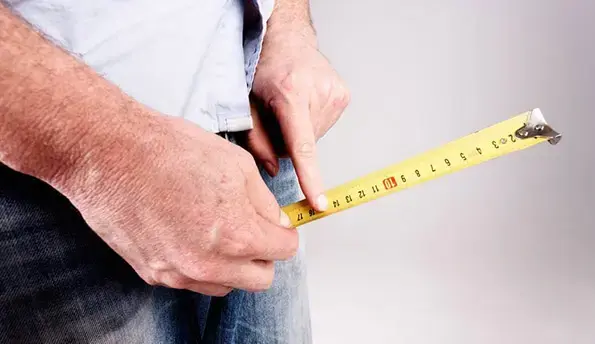
Penis Enlargement in Turkey
Penis enlargement usually means one or both of two operations. Girth enhancement injects your own fat, taken by gentle liposuction, under the skin of the shaft. Lengthening releases the suspensory ligament that holds the penis up to the pubic bone, so more of the shaft hangs forward. Some men also have the fat pad above the pubic bone reduced, which shows length that was hidden.
Results are modest and vary from man to man - no surgeon can promise a set number of centimetres. Most men who ask are within the normal range: a review of more than 15,000 men in BJU International found an average erect length of about 13 cm. This page explains what the operations can and can’t do. For adults (18+) only.
- Price
- Personal quote after assessment
- Time in Istanbul
- About 5–7 days
- Surgery
- 1–3 hours, general anaesthesia or sedation
- Sex and gym
- Usually after 4–6 weeks

Is it right for me?
Is it safe - and is it legit?
Before you book any surgeon through &NewMe, we check these things for you.
Surgeons we trust for penis enlargement
Plastic surgeons chosen by &NewMe for penile girth and length procedures.

How much does penis enlargement cost?
Usually included - confirm in your quote
- Surgeon’s consultation and examination in Istanbul
- Surgeon and anaesthesia fees
- Operating theatre and hospital stay for the operation
- Fat harvesting (liposuction) for fat transfer
- A check-up with your surgeon before you fly home
Often extra - check your quote
- Hotel and airport transfers
- Flights
- A second fat-transfer session if fat is absorbed
- A traction device after ligament release
- Pre-op blood tests, if not done at home
What a typical trip looks like
One trip of about 5–7 days. Your exact plan is in your quote.
- Free, private assessment on WhatsApp - tell us what you would like to change and get honest advice
- Day 1: consultation and examination with your surgeon; you agree the plan together
- Surgery under general anaesthesia or sedation - usually one night in hospital or back to the hotel the same day
- A few days of rest in Istanbul, then a check-up with your surgeon
- Fly home - your coordinator stays in touch through recovery
What &NewMe does for you
Everything about penis enlargement
In this guide
Girth enhancement with your own fat
The surgeon takes a small amount of fat by liposuction - often from the belly or the pubic area - purifies it and injects it in thin layers under the skin of the shaft. Because it is your own tissue there is no risk of rejection. The catch is that the body reabsorbs part of the fat over the first months, and how much survives is hard to predict. Some men choose a second session to top it up, and the result can be uneven.
Lengthening by ligament release
Part of the penis sits inside the body, held up by the suspensory ligament. Cutting this ligament through a small incision above the base lets more of the shaft hang forward. The gain is mainly in flaccid length - often around 1–2 cm - and erect length usually changes little. Afterwards you are usually asked to use a traction device or stretching routine for some weeks so the ligament does not reattach shorter. Releasing the ligament can change the angle of your erection.
Reducing the pubic fat pad
In men carrying extra weight, a fat pad above the pubic bone can hide part of the penis. Liposuction of this area, or losing weight, can show more visible length without touching the penis itself. Your surgeon may suggest this on its own or combined with the operations above.
Fillers - the non-surgical option
Hyaluronic acid fillers can add girth without surgery, but the effect is temporary (often 1–2 years) and needs top-ups. Never accept injections of silicone, paraffin or unknown substances - they cause serious, lasting damage. Read more in our guide to penis enlargement with fillers.
Who is it for?
- Adult men (18+) in good general health
- Men with a realistic, specific goal - for example more girth - and a clear understanding of the limits
- Men with a buried or hidden penis due to a pubic fat pad
- Non-smokers, or able to stop for some weeks around surgery
Many men worry about size even though their penis is within the normal range; this is sometimes called small penis anxiety or small penis syndrome. Surgery rarely settles that worry, and urologists generally recommend talking it through first - with your GP, a urologist or a counsellor. Erectile dysfunction is a different problem with different treatments; enlargement surgery does not fix it.
What results to expect
Be wary of any clinic that promises a fixed number of centimetres. Girth from fat transfer is partly absorbed, so the final result is usually smaller than right after surgery and can be uneven. Length gained by ligament release is mostly visible when flaccid. Many men are happy with a modest change; men hoping for a dramatic one are more often disappointed. Long-term evidence for these operations is limited, so your surgeon should explain the realistic range for you before you decide.
Risks and what can go wrong
- Swelling and bruising - expected for the first weeks
- Lumps, nodules or an uneven shape where fat was injected
- Fat that is absorbed, or that hardens (fat necrosis)
- Infection, bleeding or a collection of blood
- After ligament release: a lower erection angle, a less stable erection, or scarring that pulls the penis back in
- Temporary or lasting changes in sensation
- Being unhappy with the size change
- The usual risks of anaesthesia
Ask your surgeon how they handle lumps or unevenness if they happen, and what a revision would involve and cost.
Recovery
- First days: swelling, bruising and soreness; rest, loose supportive underwear and painkillers
- Week 1: most men are back at a desk job; avoid pressure on the area and long periods of sitting
- Weeks 1–6: follow your surgeon’s plan for massage (after fat transfer) or traction (after ligament release)
- Weeks 4–6: back to sex, masturbation, cycling and the gym once your surgeon agrees
- 3–6 months: swelling has gone and you can judge the final result
Flying home after 5–7 days is usually fine - wear loose clothes and walk around on the plane.
Related treatments
Frequently asked questions
How much bigger will it be?
No one can promise a number. Ligament release often adds around 1–2 cm of flaccid length, with little change when erect. Fat transfer adds girth, but part of the fat is absorbed in the first months. Your surgeon will explain a realistic range after examining you.
Are the results permanent?
Fat that survives the first few months tends to stay, but how much survives varies and some men need a second session. Length from ligament release lasts if the ligament heals in its new position, which is why traction is often advised afterwards.
Is it painful?
Surgery is done under general anaesthesia or sedation. Afterwards expect soreness, swelling and bruising for 1–2 weeks, managed with ordinary painkillers.
When can I have sex again?
Usually after 4–6 weeks, once your surgeon is happy with healing. Starting too early can cause bleeding or move injected fat.
Will it affect my erections or sensation?
Fat transfer does not usually affect erections. Ligament release can lower the angle of the erection and, in some men, make it feel less stable. Temporary changes in sensation are common; lasting ones are uncommon. Surgery does not treat erectile dysfunction.
My size is normal - should I still have it?
Most men who ask about enlargement are within the normal range. Surgery carries real risks for a modest change, so many doctors advise talking it through with a GP, urologist or counsellor first. An honest surgeon may tell you surgery is not the right answer.
Why is there no price on this page?
Because the plan - fat transfer, ligament release, fat pad reduction or a combination - depends on you. After a free assessment the surgeon confirms what is suitable and you get a written quote within 2 days. We don’t publish a price we can’t stand behind.
Is my enquiry private?
Yes. Your messages stay in your WhatsApp chat with your &NewMe coordinator and go only to the surgeon assessing you. No photos are needed for the first assessment.
